Water use
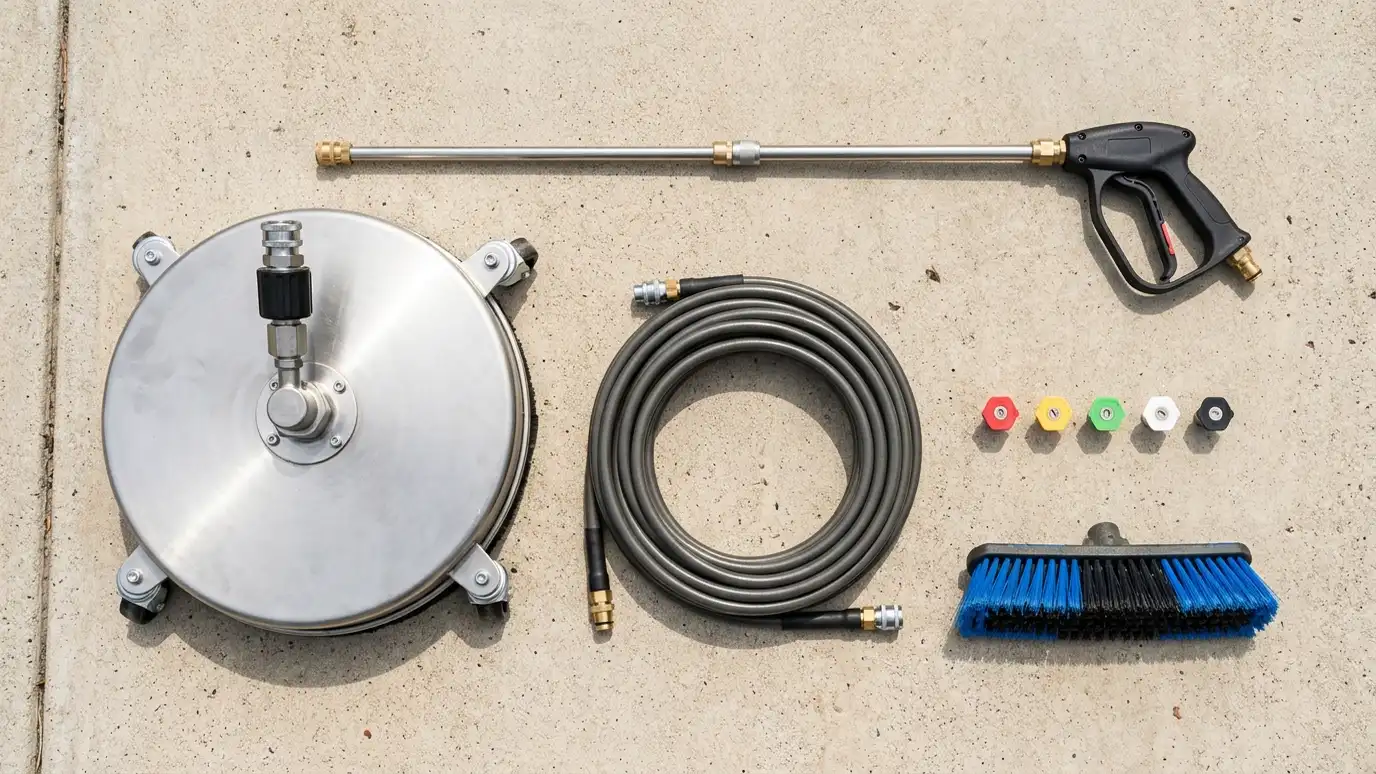
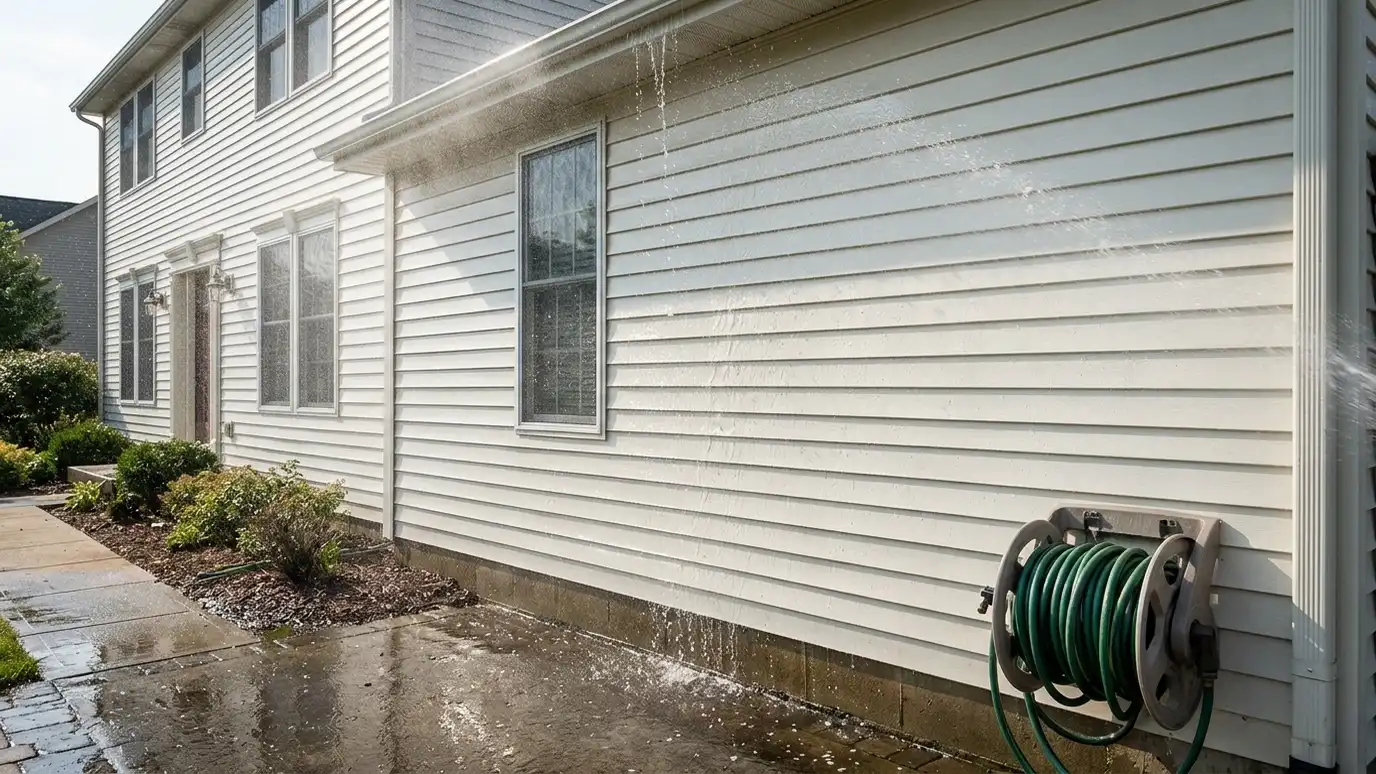
Pressure washers often use less water than an open hose, and efficient methods such as surface cleaners and soft wash applicators use it carefully.
Planning avoids wasted water.
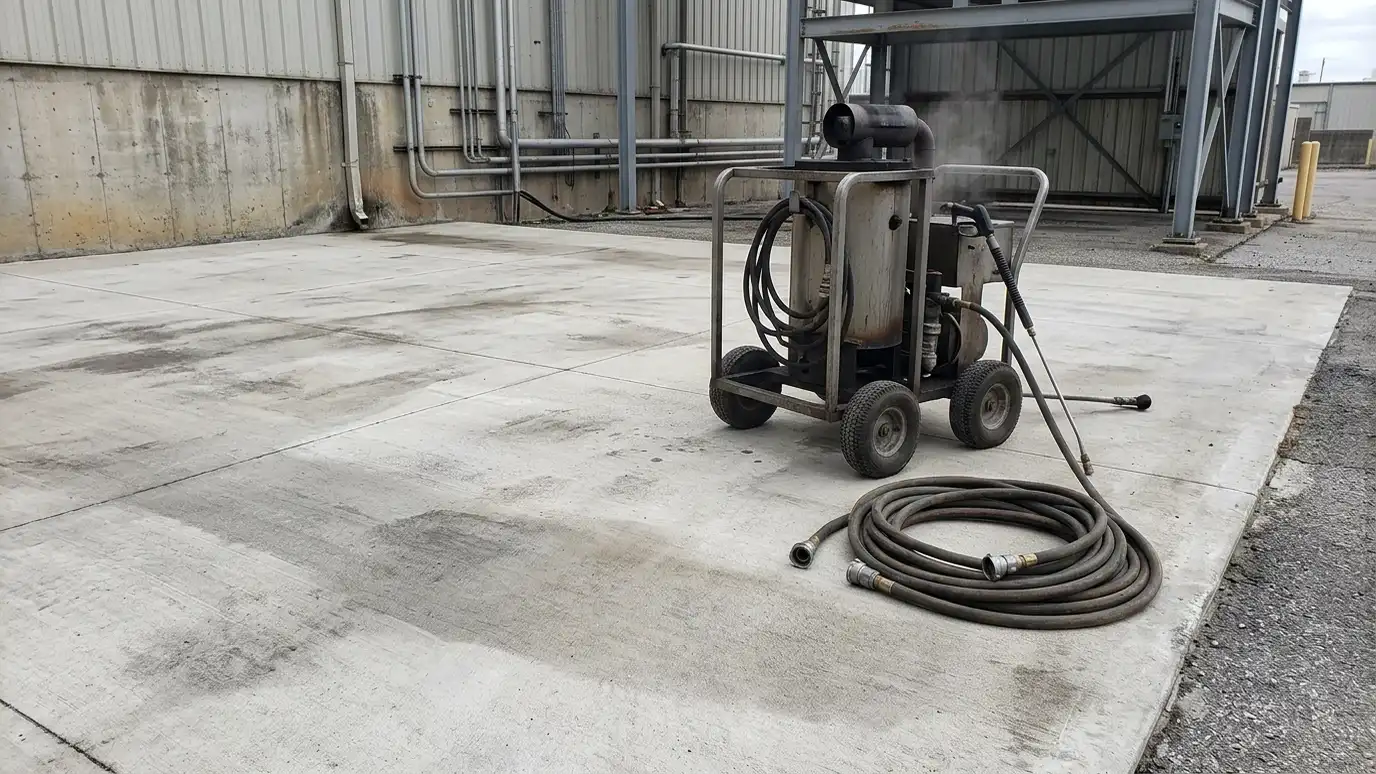
We can estimate water use for larger jobs.
Ask the company how much water a typical job uses and where it goes. A clear answer shows they have thought about it. For large properties, we can estimate in advance.
Where the water goes
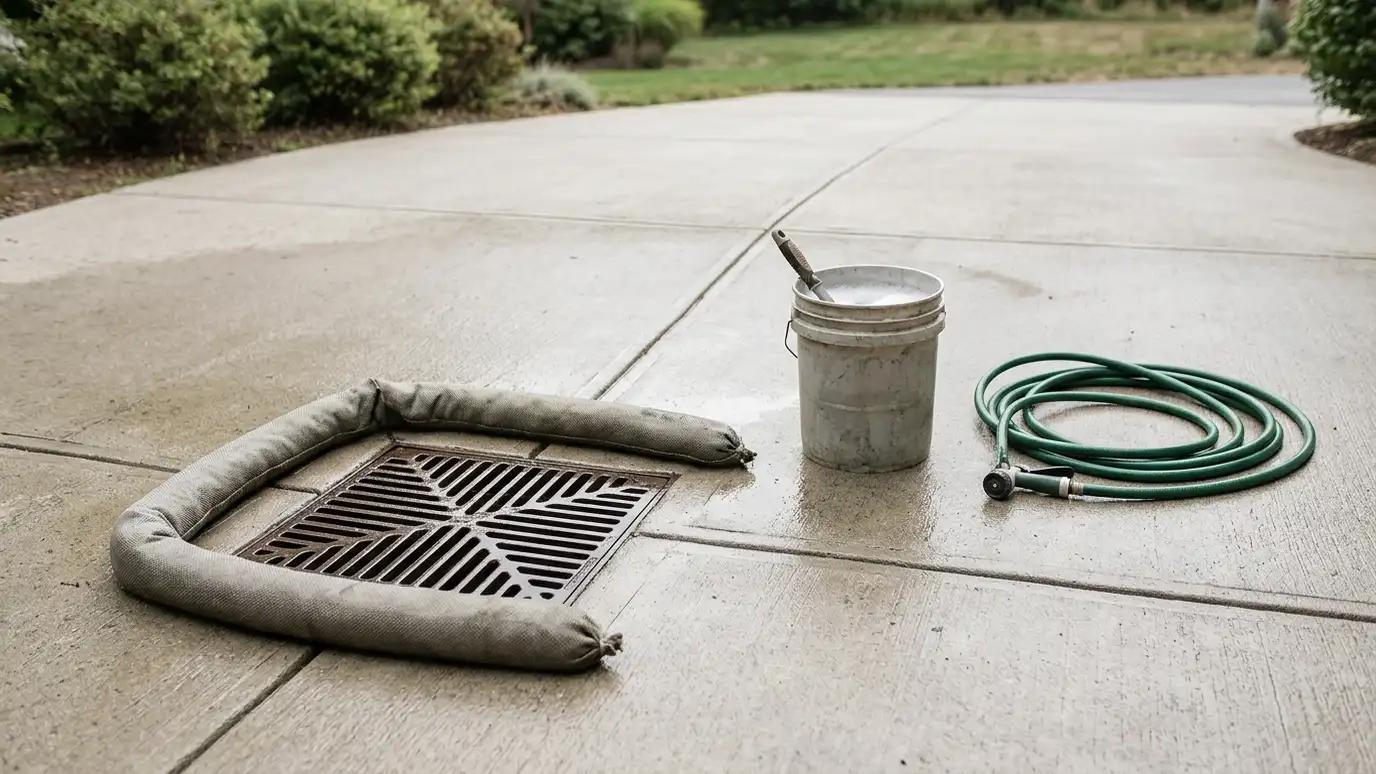
Clean rinse water can often go to lawns. Water carrying oil, soap or sediment should not enter a storm drain, because drains lead to creeks and rivers.
Rules vary by city and site.
We plan runoff for each job.
Keep soapy water from running down the street, and cover storm drains near the work area when appropriate. Small steps such as berms and wet vacuums make a big difference.
Cleaner choices
Some labeled products suit certain tasks, and some tasks need specialized chemistry. Cleaners are diluted and used according to directions.
Dwell time reduces the amount of force and product needed.
We tell you what we plan to use.
Ask whether the products used are diluted and whether labeled options exist for your surface. Where a gentler option works, we use it, and where stronger chemistry is needed, we say why.
Protecting plants and pets
Plants are pre-wet, shielded and rinsed. Pets stay indoors until surfaces are rinsed and dry.
Gardens, ponds and streams near work areas deserve extra care.
Tell us about anything sensitive.
Share the location of ponds, wells, gardens and beehives with the crew. We take extra care near them and adjust our methods.
Containment and recovery
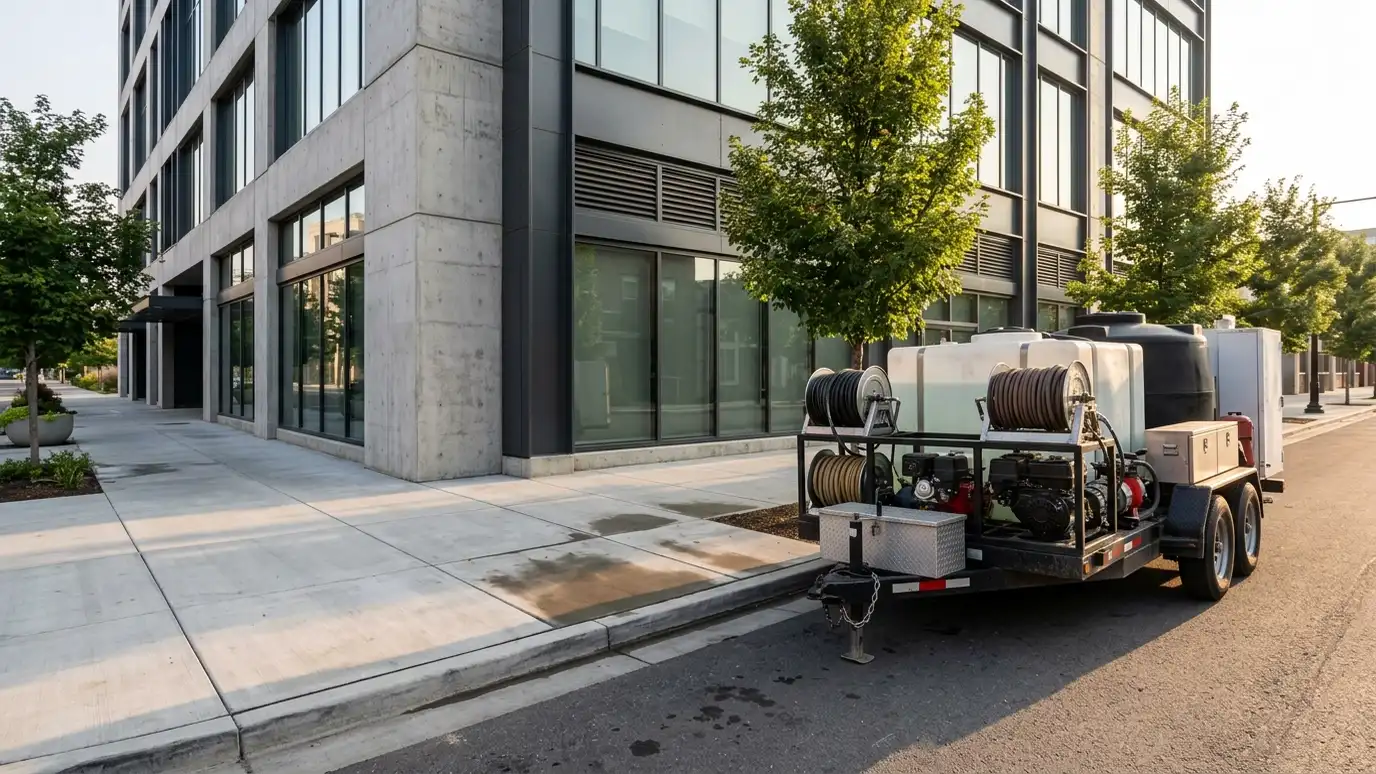
Berms, drain covers and wet vacuums hold and collect water. Filtration systems can clean it for disposal or reuse.
Commercial sites often need these systems.
We can use recovery where required.
For commercial sites, ask about reclaim equipment and disposal. Recovery adds setup but protects drains and keeps you in good standing with neighbors and agencies.
What owners can do
Ask contractors how they manage runoff. Keep soap away from storm drains, sweep instead of washing when possible and choose gentle methods.
Trimming trees and fixing drainage reduces cleaning needs.
Regular light cleaning beats occasional heavy cleaning.
Consider planting groundcover and mulch where soil washes onto hard surfaces. Less dirt on the pavement means less washing and less runoff over time.
Choose a company that plans runoff, protects plants and pets and can explain what it uses and why.