Why seal at all
Sealers help resist stains, moisture and growth, and they make future cleanings easier. They also change how a surface looks and feels.
Not every surface needs sealing, and some sealers cause problems if chosen poorly.
The goal is protection that fits the surface and your taste.
Decide what you want from a sealer before you shop. Natural look, shine, traction, stain resistance and ease of cleaning all point to different products. We help you match the product to your priorities.
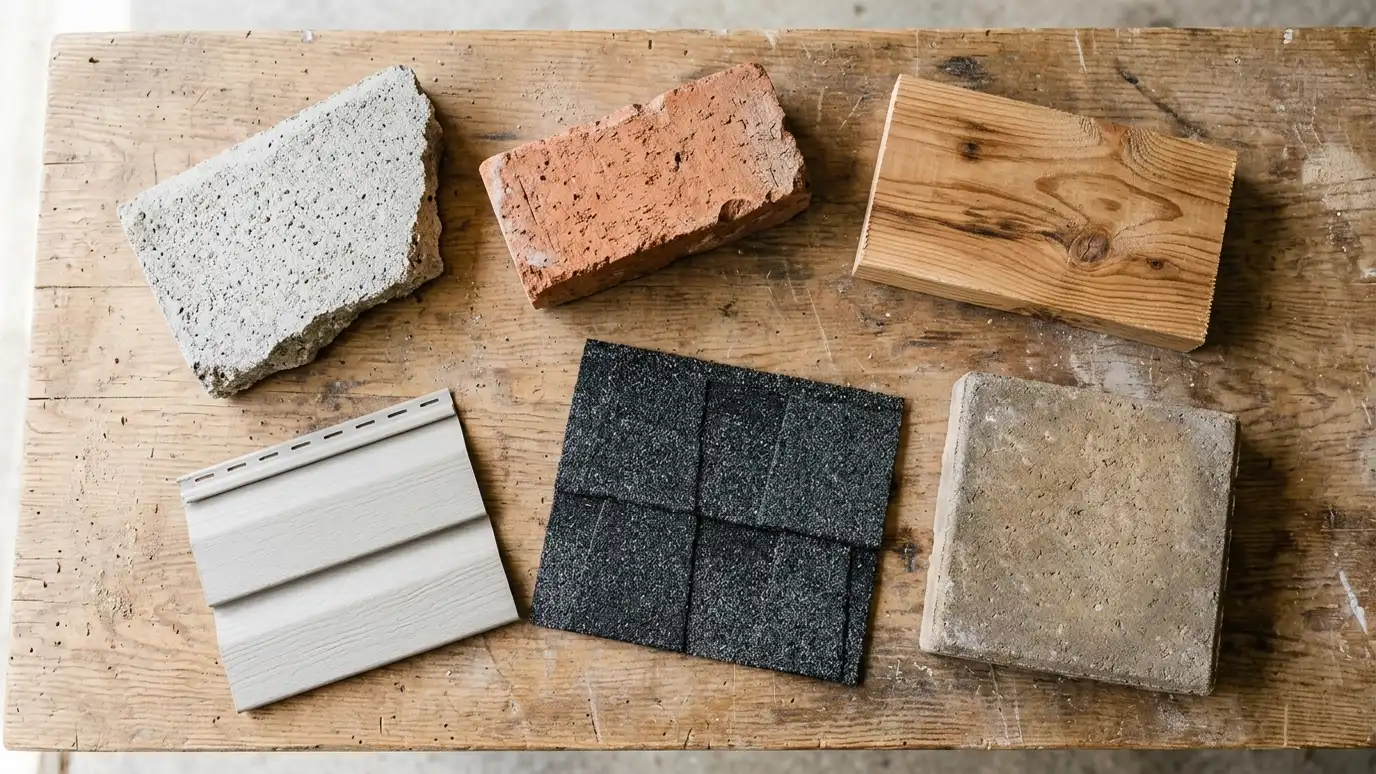
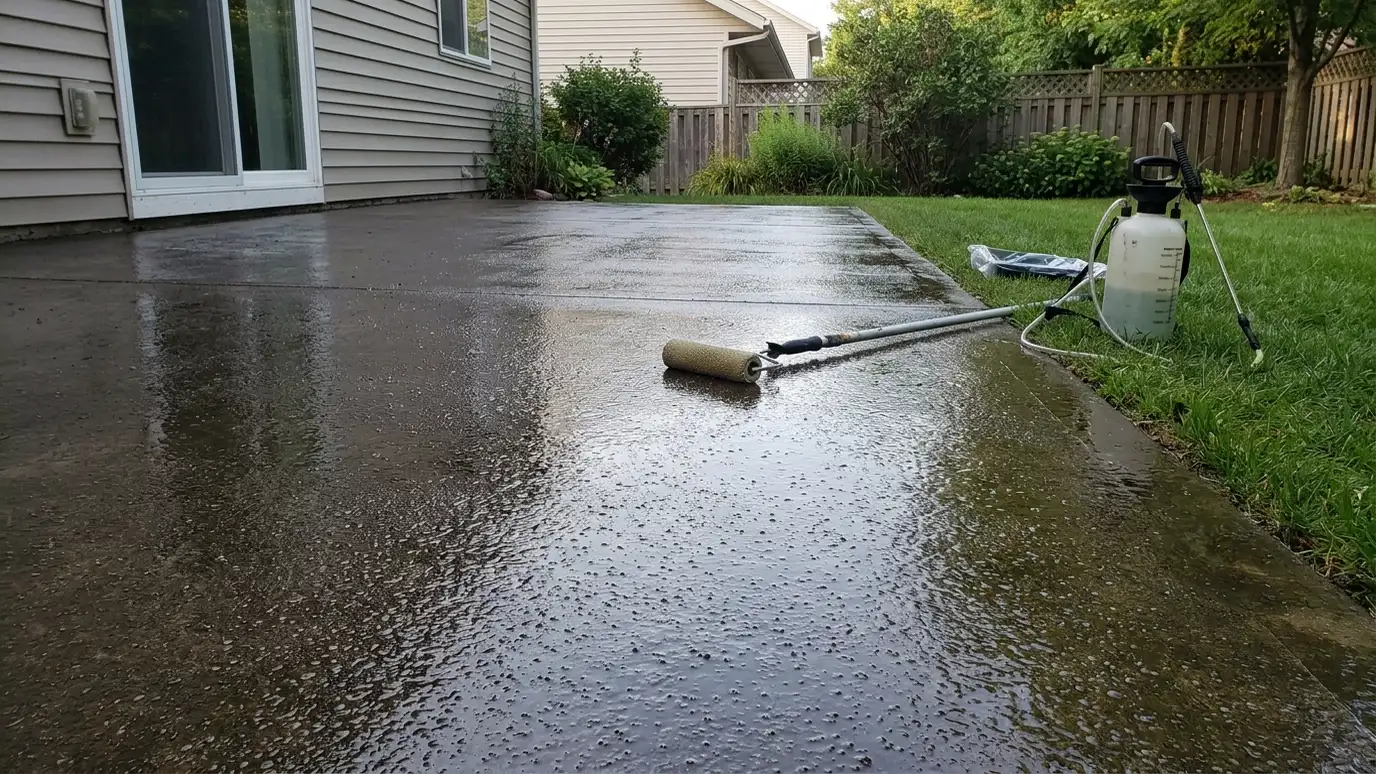
Concrete
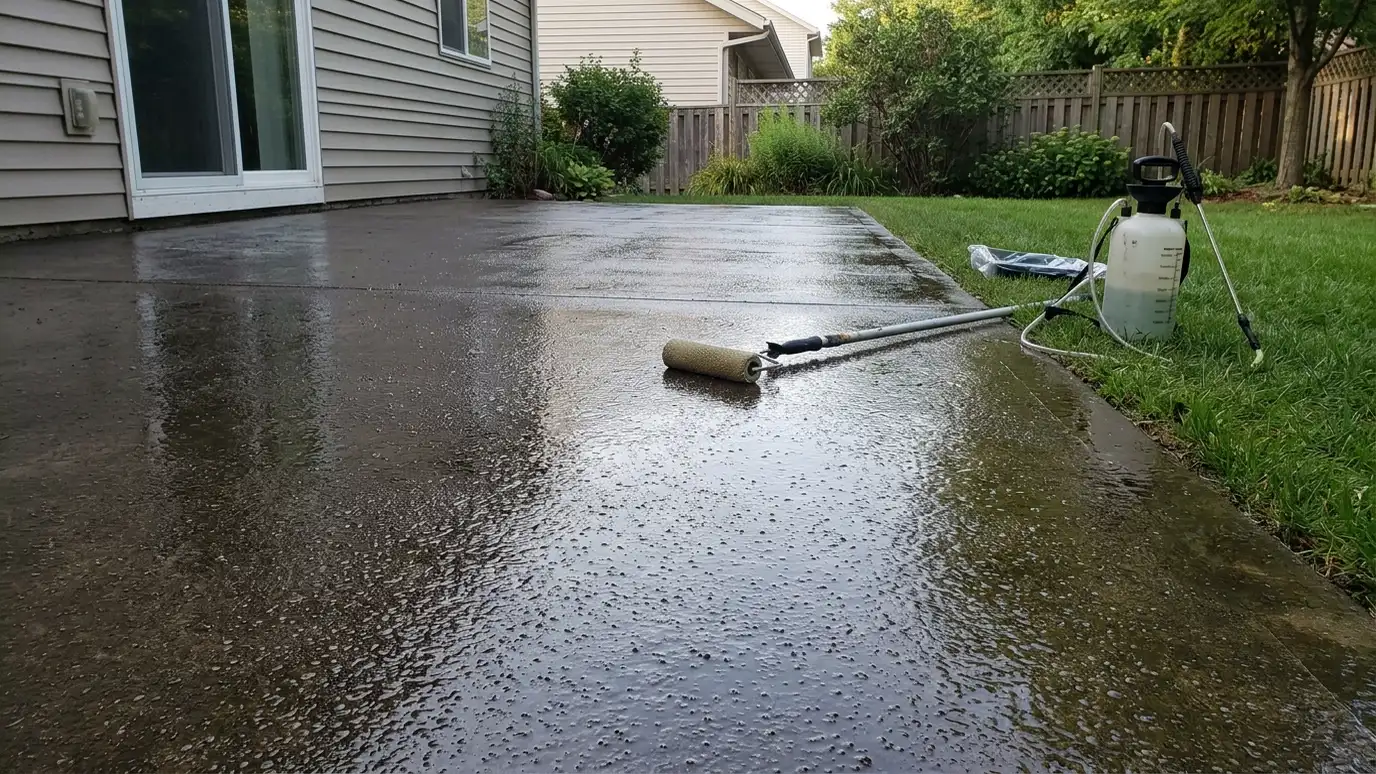
Penetrating sealers soak in and leave a natural look. Film-forming sealers add sheen and color depth. Garage coatings are thicker.
Concrete must be clean, dry and cured.
Traction can be added where surfaces are slick when wet.
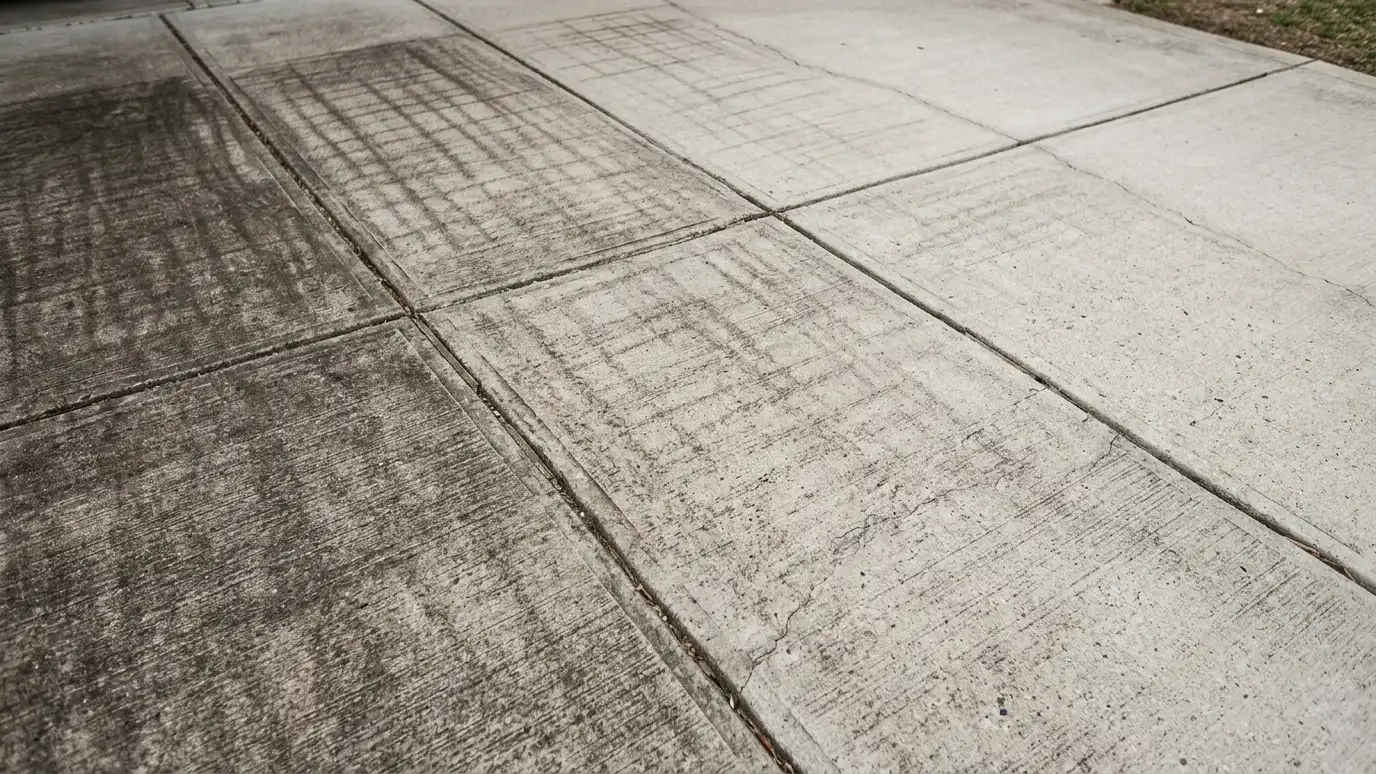
Ask about reapplication timing and how the sealer looks as it ages. Some turn cloudy in shade and some wear in tracks. A realistic expectation helps you plan upkeep.
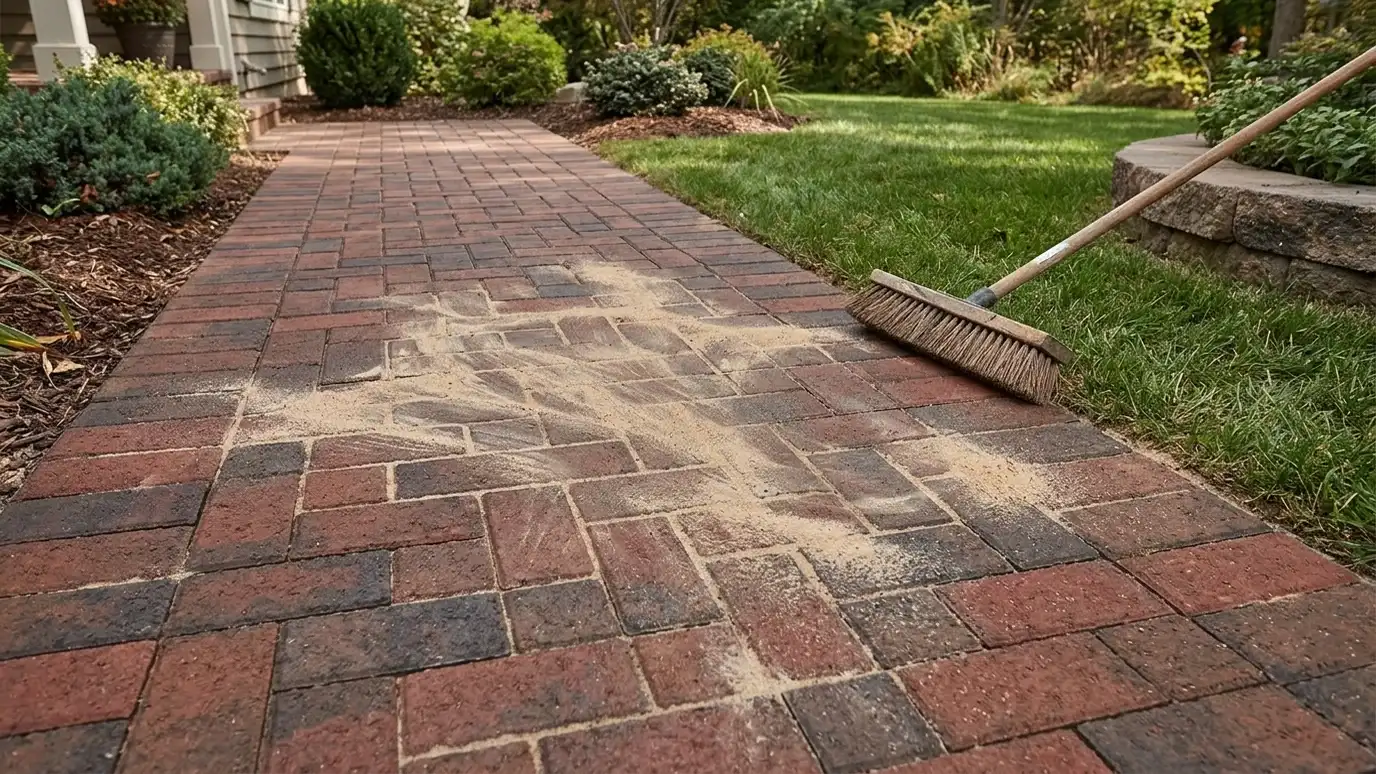
Pavers
After cleaning, joint sand is refilled, activated and then sealed. Enhancing sealers deepen color.
Wrong order or damp pavers can leave haze.
Reseal as the finish wears.
Test a small area in an inconspicuous place. Color and sheen differ on different pavers and stones, and a test patch avoids a surprise. We are glad to do one for you.
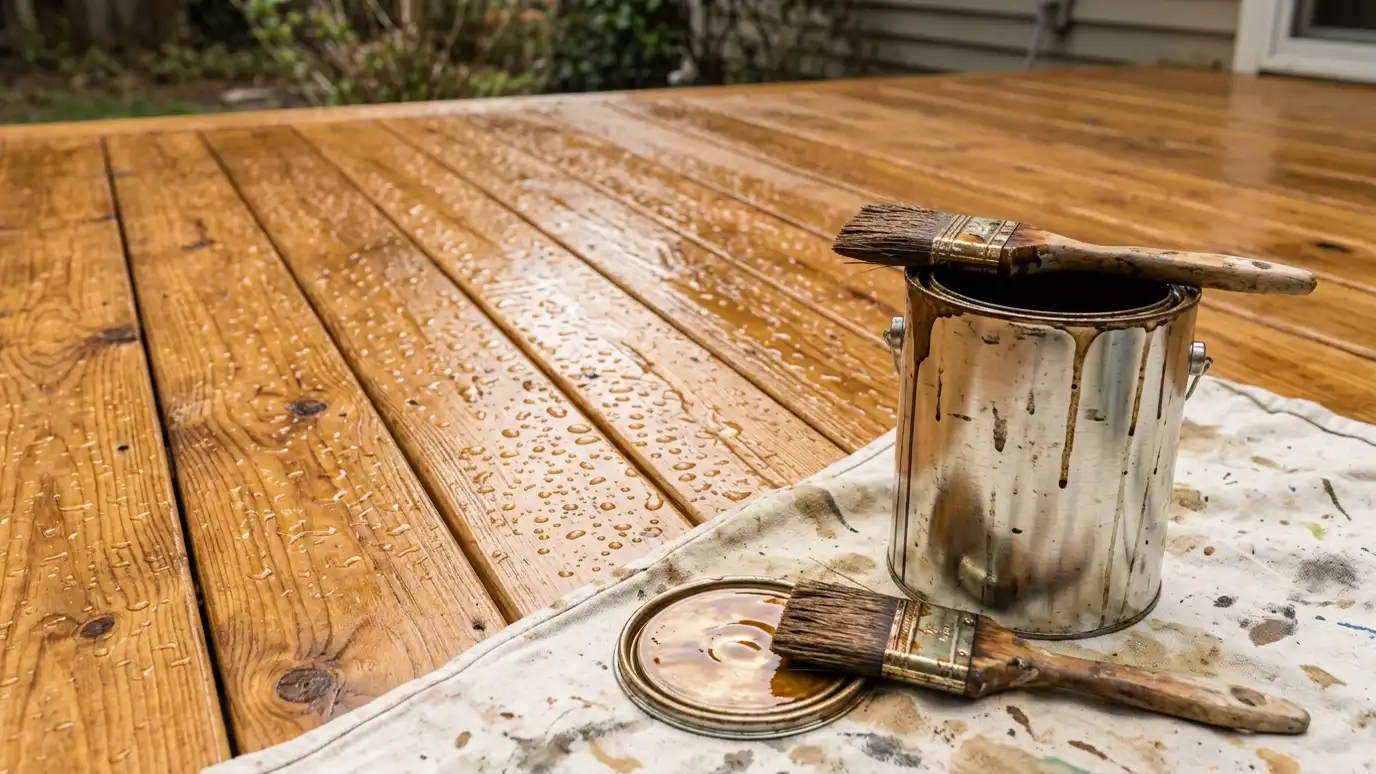
Wood
Stains and sealers protect from sun and moisture. Wood needs time to dry after cleaning.
Clear finishes need more frequent renewal.
Solid stains offer the most cover.
Wood sealers and stains depend on moisture, temperature and sun. We check conditions and wait for a suitable window, even when that means rescheduling.
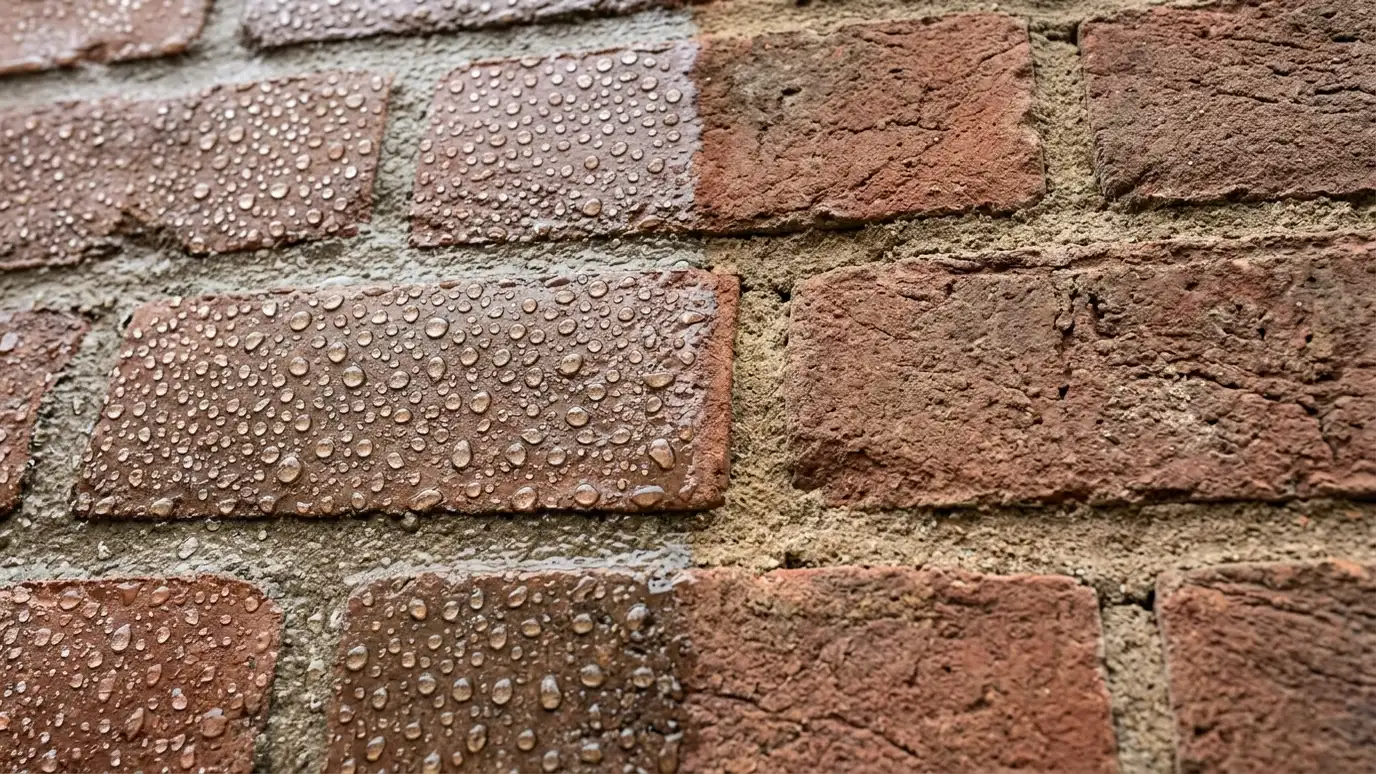
Masonry
Breathable water repellents slow absorption while letting vapor escape. Film-forming coatings can trap moisture.
Cracks and failed mortar need repair first.
Efflorescence needs treatment before sealing.
Do not seal masonry that has active moisture problems. Fix leaks, gutters and grading first, and then use a breathable product if protection is still wanted.
Timing and care
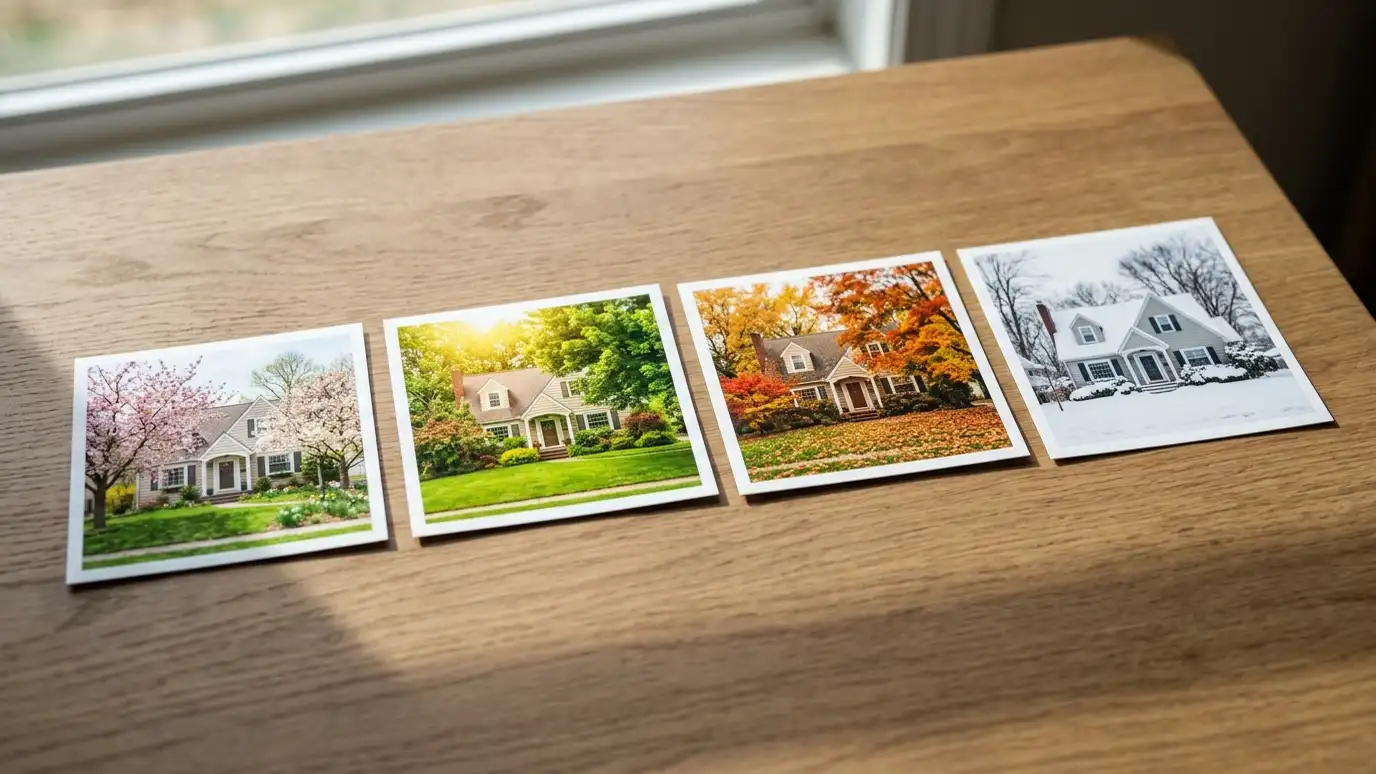
Sealers need dry weather and suitable temperatures. Follow cure times before traffic.
Reapply as the surface stops beading water.
Keep records of what was applied.
Mark your calendar for a check in one year. Splash water on the surface and see if it beads. If it soaks in, it is time to plan a new coat.
Clean thoroughly, let the surface dry, choose a breathable or surface-appropriate sealer and follow the cure time.