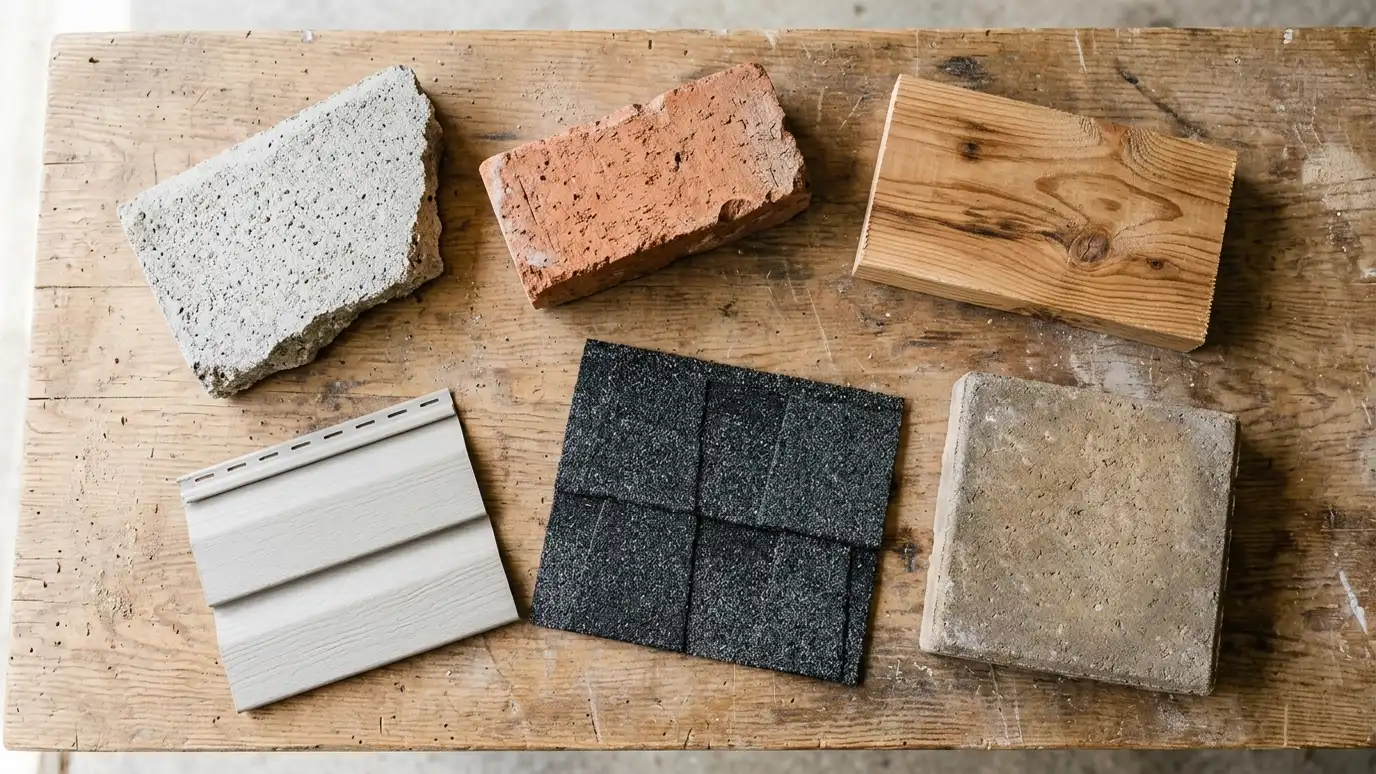
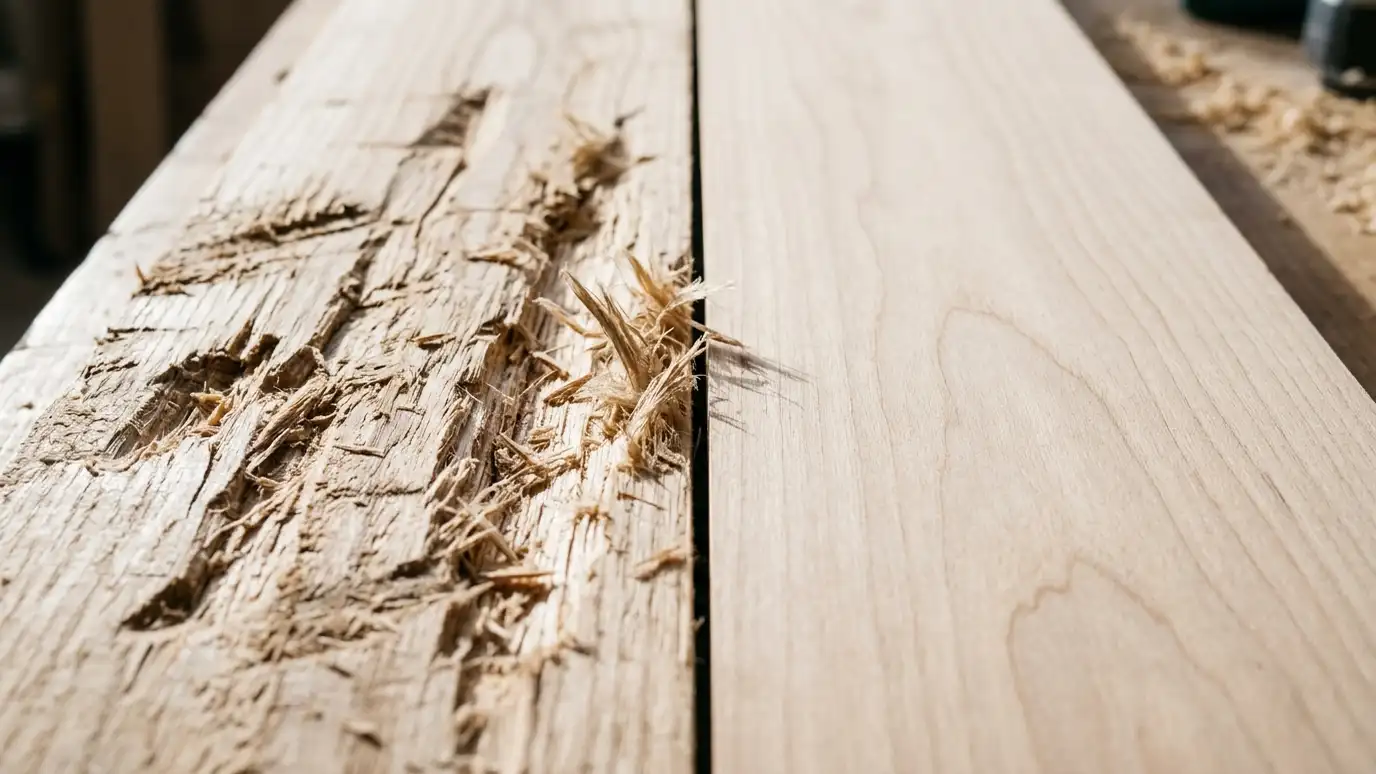
Wood
Narrow nozzles and close spray raise fibers, gouge soft grain and leave fuzzy, uneven surfaces. Old wood is especially fragile.
Professionals use wide fans, a safe distance and brushes along the grain.
Damage is hard to undo.
If you already have a damaged surface, take photos and avoid further cleaning until it is repaired. Wood can often be sanded and refinished, and vinyl panels can be replaced. Quick repair prevents bigger problems.
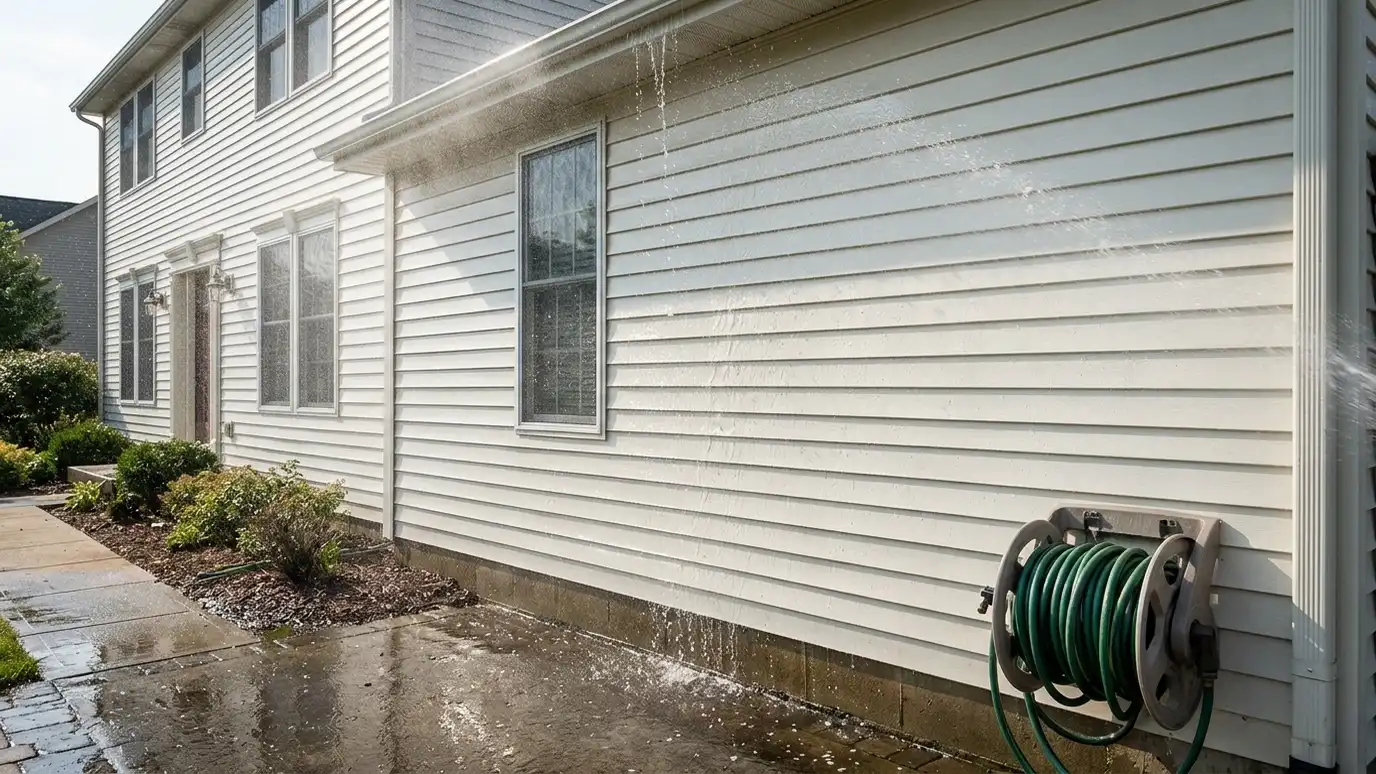
Siding
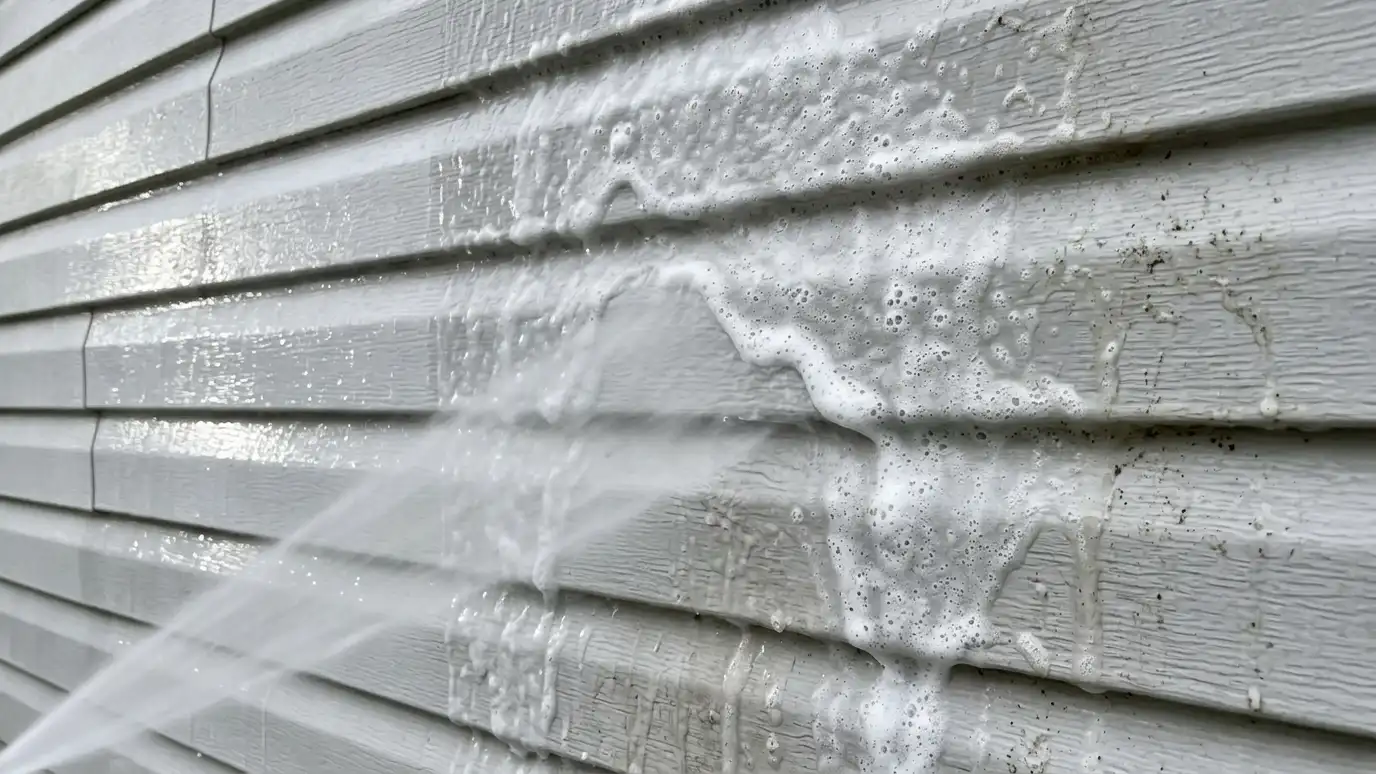
High pressure can crack vinyl, strip paint and drive water behind siding into walls. Upward spray is the usual culprit.
Careful crews spray down, use low pressure and avoid seams.
Water behind siding can cause hidden problems.
Ask your siding maker or builder what they recommend. Many publish care guidance and warn about pressure and distance. We are glad to follow it and to explain how we adapt it to your home.
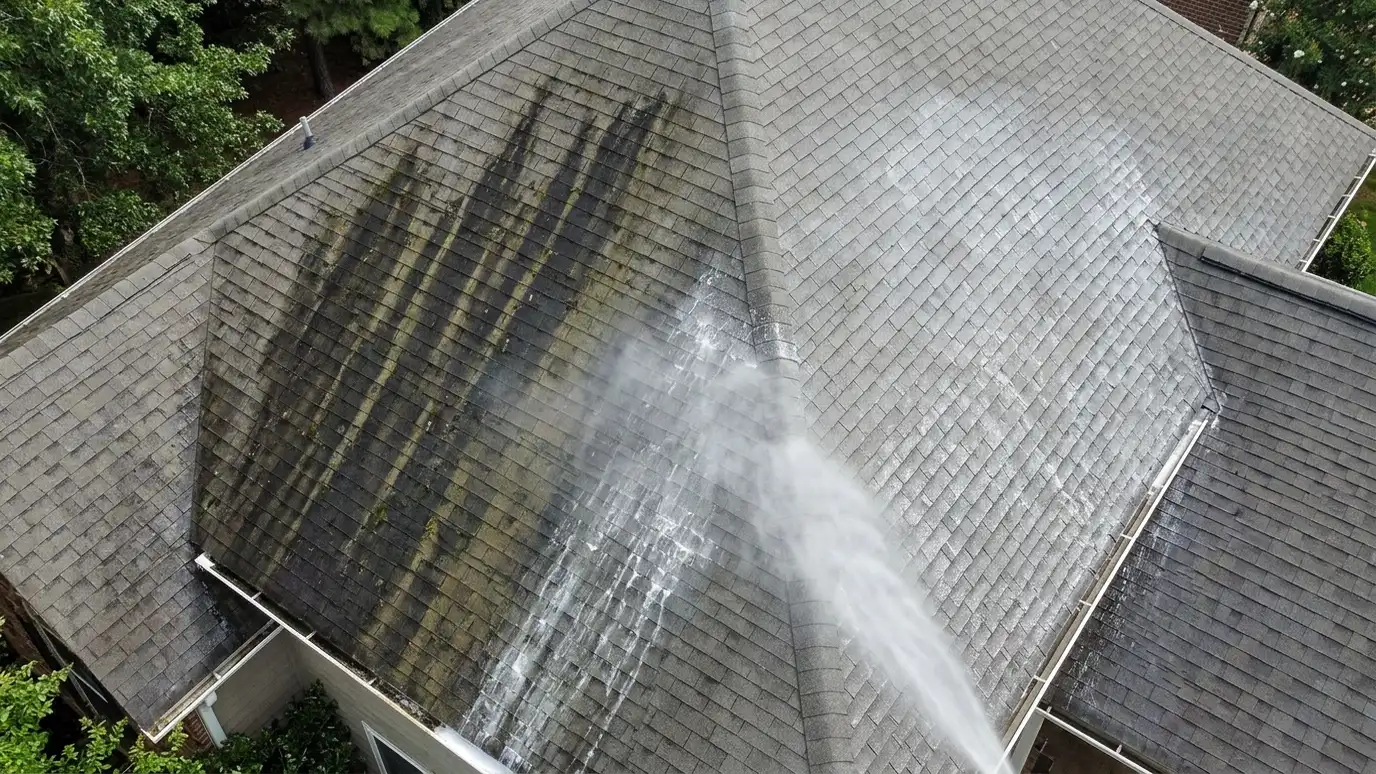
Roofs
Blasting strips granules, lifts shingles and can leak. Walking on wet algae is dangerous.
Soft washing and safe access avoid both problems.
Roof damage is expensive to repair.
If you have roofing manufacturer coverage paperwork, read the cleaning section. Many documents warn against high pressure. A soft wash is generally the safer approach.
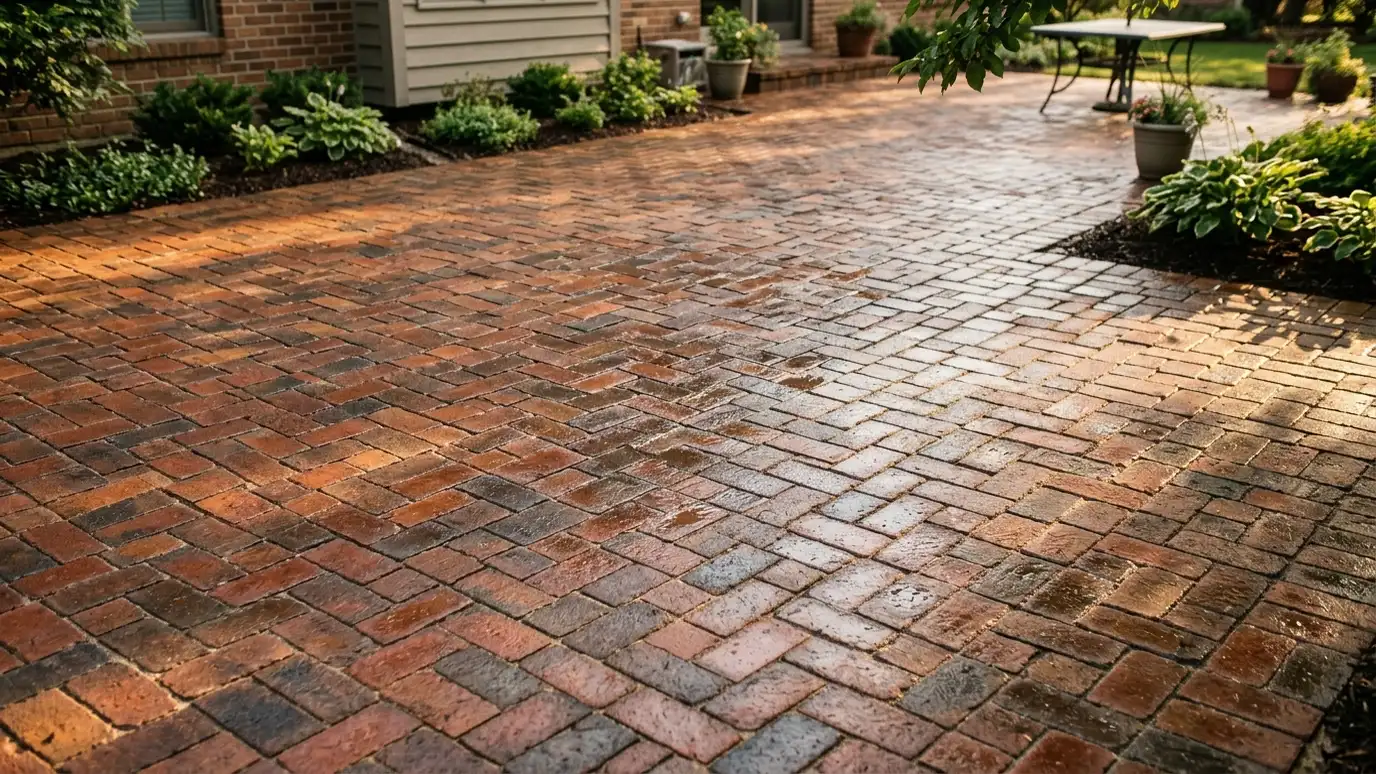
Concrete and brick
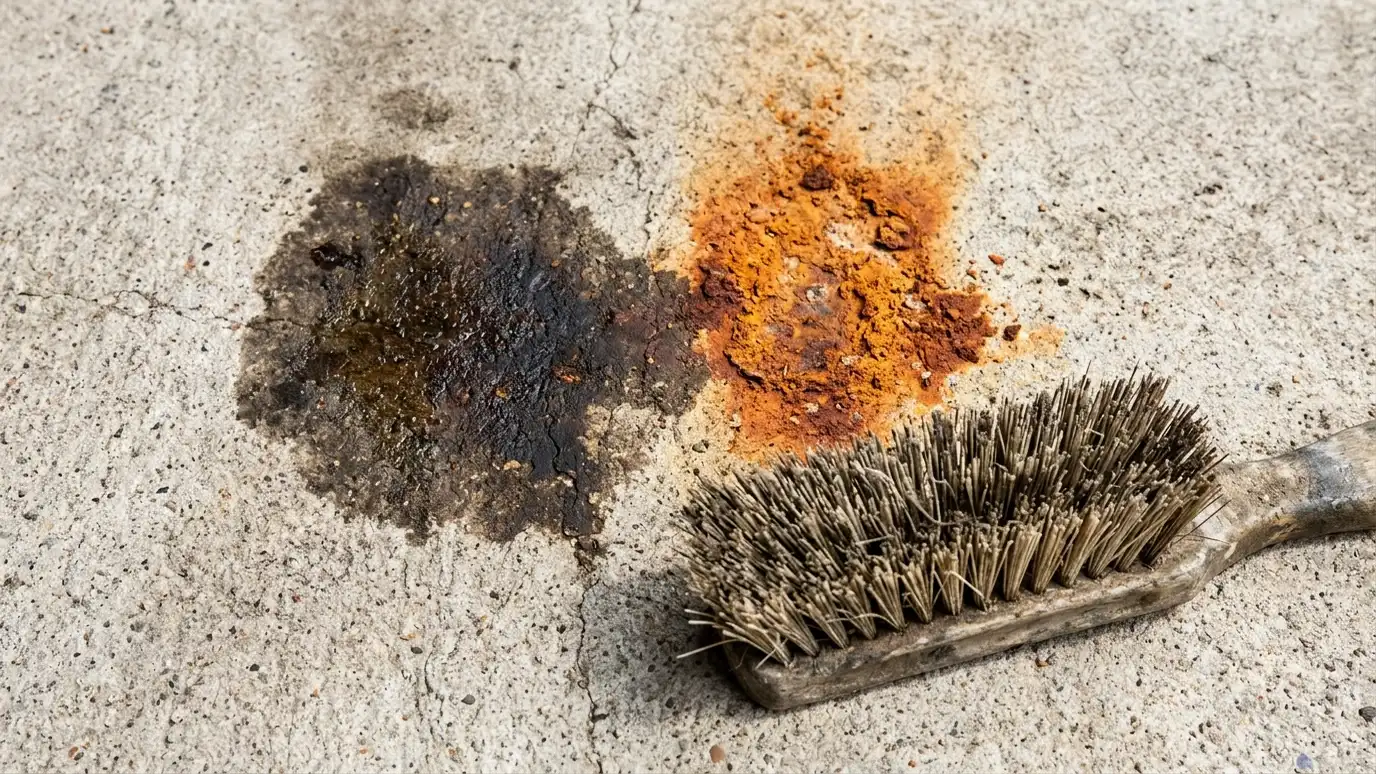
Too much pressure etches concrete and eats mortar. Wand work can leave stripes.
Surface cleaners and controlled pressure avoid stripes and gouges.
Pavers can lose joint sand.
Concrete etching and paver sand loss are easy to prevent and hard to fix. Choose a company that uses surface cleaners and asks about joint sand before it starts.
Windows and screens
Hard spray can break seals, tear screens and force water inside. Hard water spots may etch glass.
Gentle rinsing and soft tools protect them.
Hot water spray should avoid glass.
If you see water stains inside a window after a wash, call us right away. We want to find the cause and help you fix it, whether it was spray or an old seal.
Plants and property
Strong cleaners can burn plants, and runoff can wash soil and mulch into walkways. Spray can reach outlets and light fixtures.
Pre-wetting, covering and rinsing protect landscaping.
A walk-through before work spots hazards.
Look at the plants a day or two after cleaning. If leaves look burned, rinse again with plain water and call us. Quick action often saves the plant.
Ask which pressure, tip and distance will be used on each surface, and be wary of anyone who plans to blast everything the same way.