
Surface and size come first
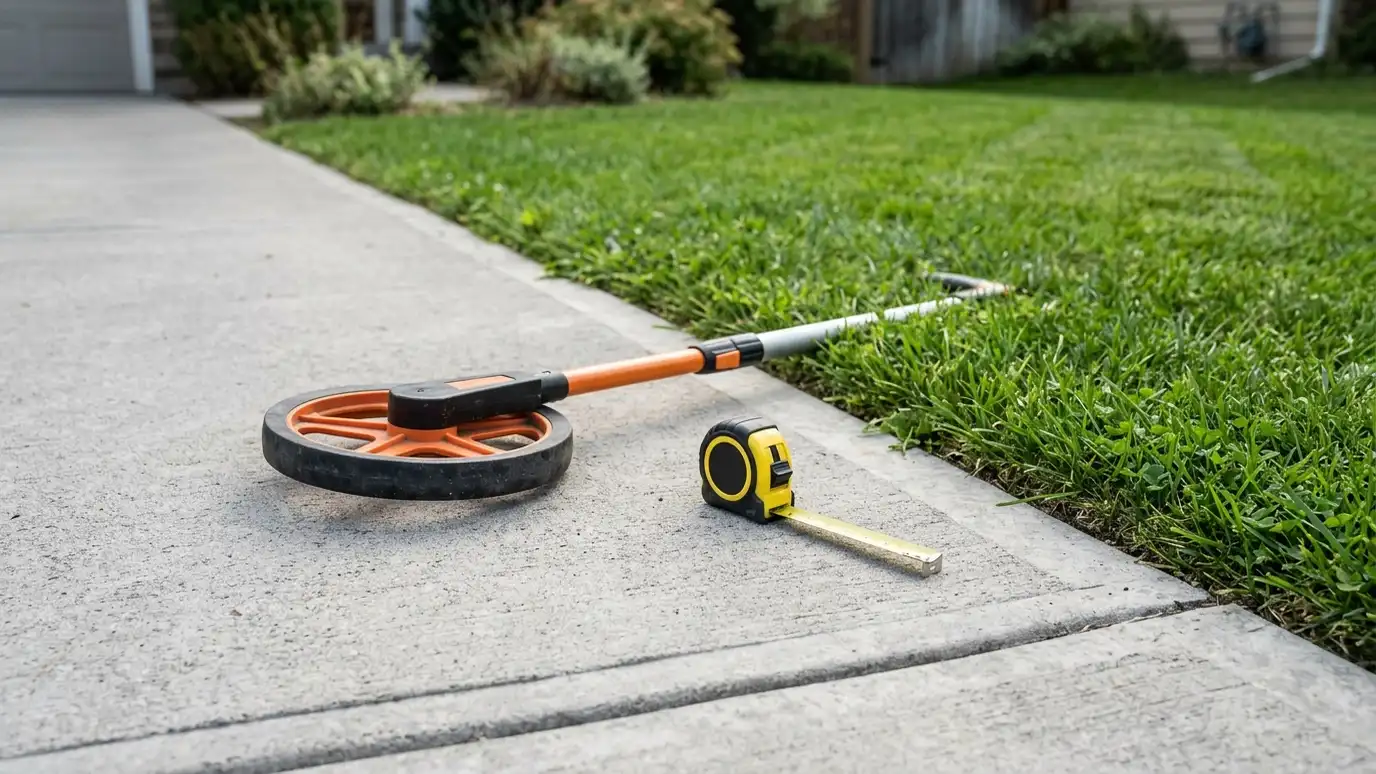
Area is the starting point, measured in square feet for flat work and by the story and footprint for houses. Bigger surfaces need more time, water and solution.
The surface changes the method. Concrete with a surface cleaner is fast, while siding that needs soft washing, roofs that need careful access and decks that need brushing take longer.
Ask every company how it measured your property, so you compare quotes on equal terms.
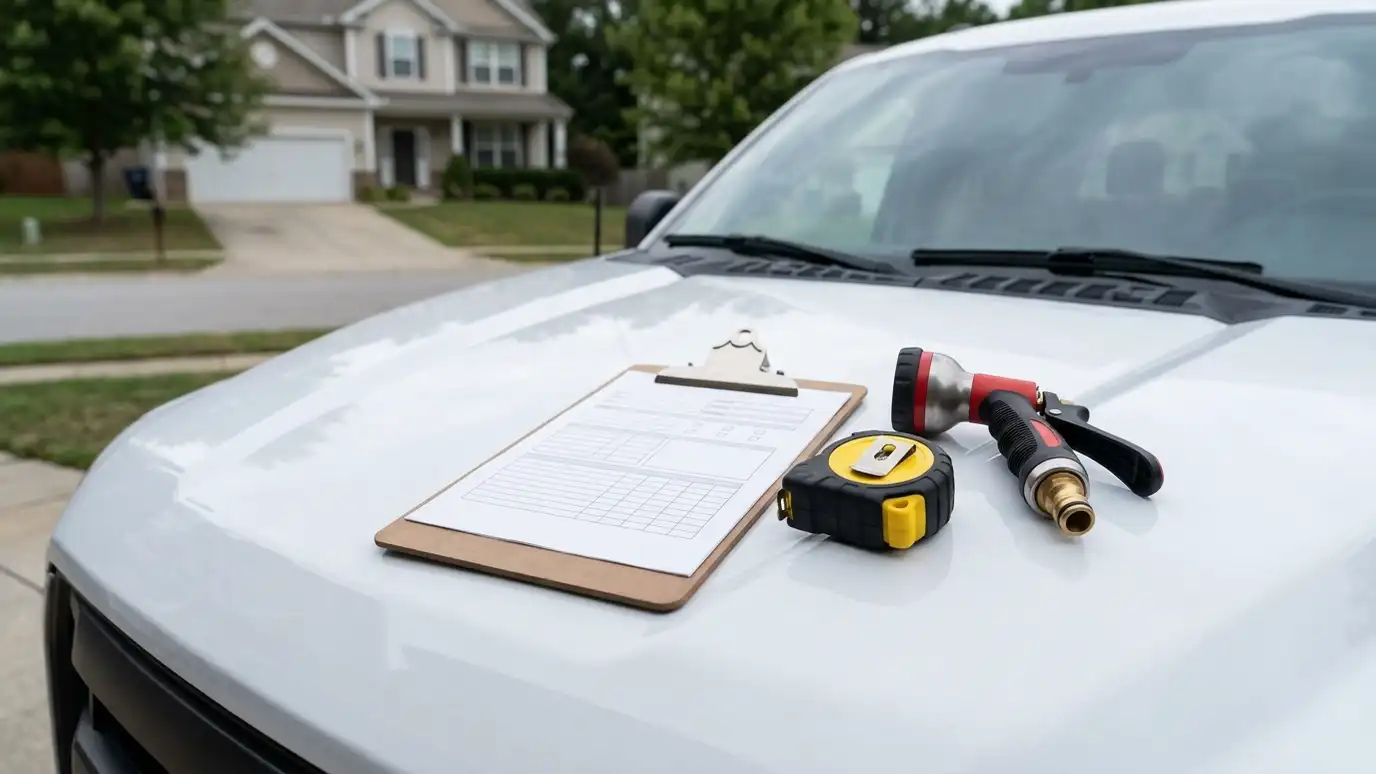
Before you call anyone, walk your property and list what you want cleaned. Note the number of stories, the driveway length, the deck size and any special surfaces such as stucco or a metal roof. Sharing that list helps estimators prepare, and it helps you notice when two quotes describe different jobs.
Condition and staining
A lightly dusty driveway cleans quickly, and one with years of black mildew, oil and rust takes more effort and sometimes more than one pass.
Heavy growth, thick pollen or old stains add time and may call for specialty products.
An honest estimate explains what is likely to lift and what may only fade.
Ask how stains are treated. A company that includes pre-treatment for oil, rust and heavy growth is thinking about results, and one that offers only a quick rinse may leave you disappointed. Clear photos of problem areas give everyone a shared picture before the visit.
Method and equipment
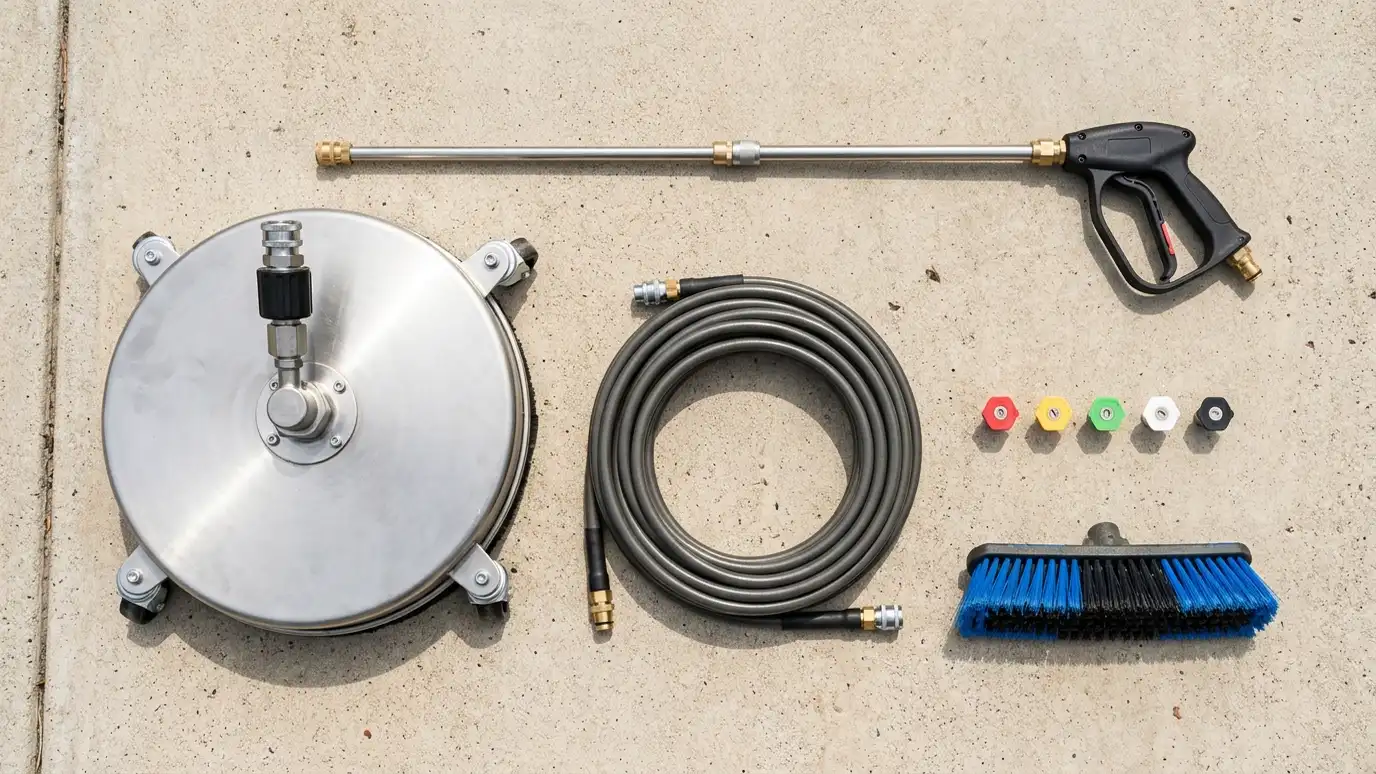
Hot water, surface cleaners, soft wash systems and lifts all cost money to own and run, and the right tool changes both speed and safety.
A company using low-pressure soft washing on siding and roofs is protecting your property, and that care is part of the price.
Ask which method is planned for each surface and why.
Hot water, surface cleaners and soft wash equipment are not decoration. They are tools that change how fast and how safely a job goes. When two quotes differ, ask how each company plans to clean your largest surface and which tool it will use.
Access and setup
Steep lots, tall buildings, tight gates, long hose runs and busy sites add setup time and may require lifts or traffic control.
Water access matters too. If we must bring water or recover wastewater, the job changes.
Share these details early to get a precise estimate.
Gates, steep yards, hose distance and nearby neighbors are all part of the plan. Tell the estimator about them, and they will make a better quote. Surprises on wash day usually lead to rushed work or extra charges.
Extras and add-ons
Window cleaning, gutter cleaning, sealing, staining, rust treatment and gum removal are all separate scopes. Some quotes include them and some do not.
Ask whether plant protection, rinsing and cleanup are included.
A longer list on a quote is not always more expensive, and it may simply be more complete.
Make a short table with one row per service and one column per company. The gaps become obvious, and so do the questions to ask. Then weigh communication, schedule and fit alongside the totals.
Comparing quotes fairly
Give each company the same information and ask for the same breakdown: surfaces, area, method, solutions, plant protection, exclusions and schedule.
A low quote that leaves out half the surfaces or uses risky pressure is not a bargain.
Our bid scorecard helps you line up quotes using your own priorities.
Keep a copy of the written scope, because it is your record of what was promised. If something is missed, the scope shows what was agreed and gives you a clear way to resolve it.
Compare scope and method before price: surfaces, area, plant protection and exclusions should be written down for every quote.