What soft washing is
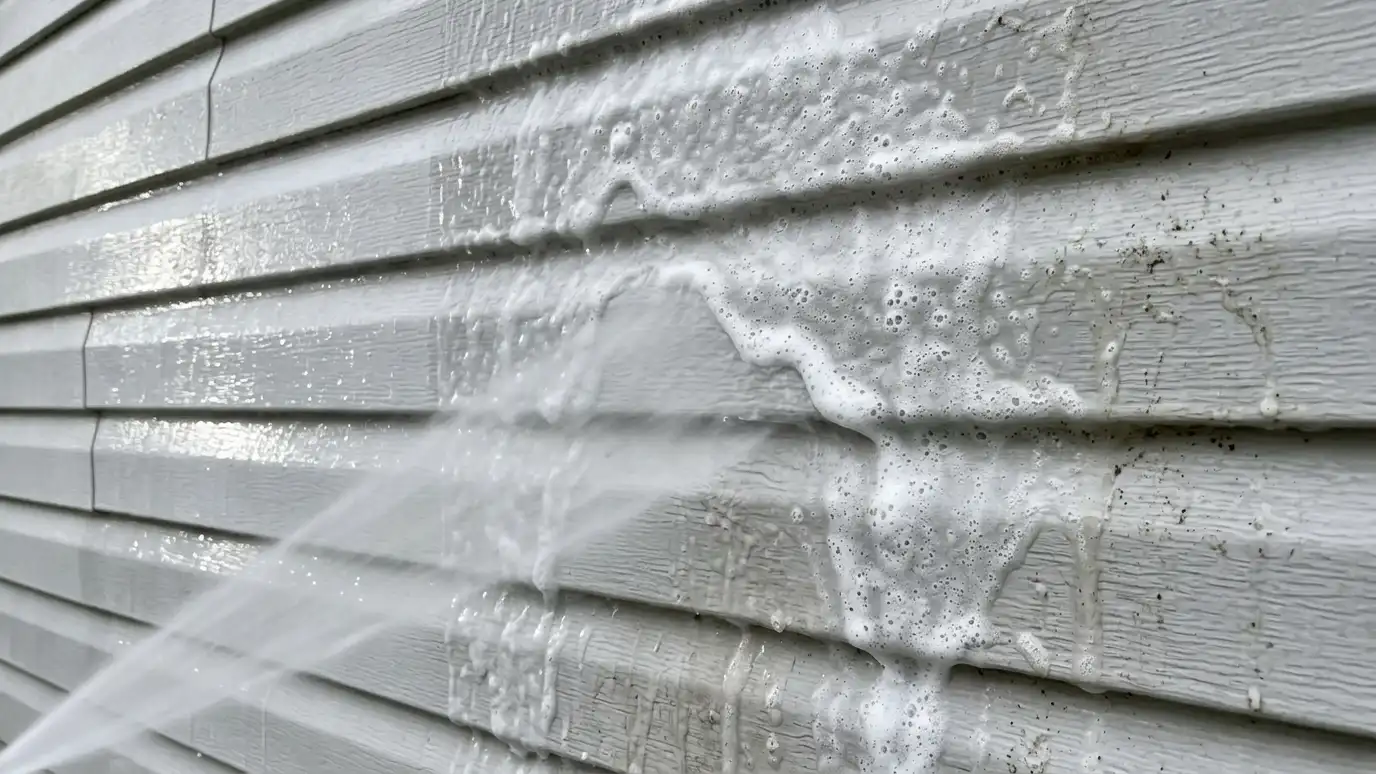
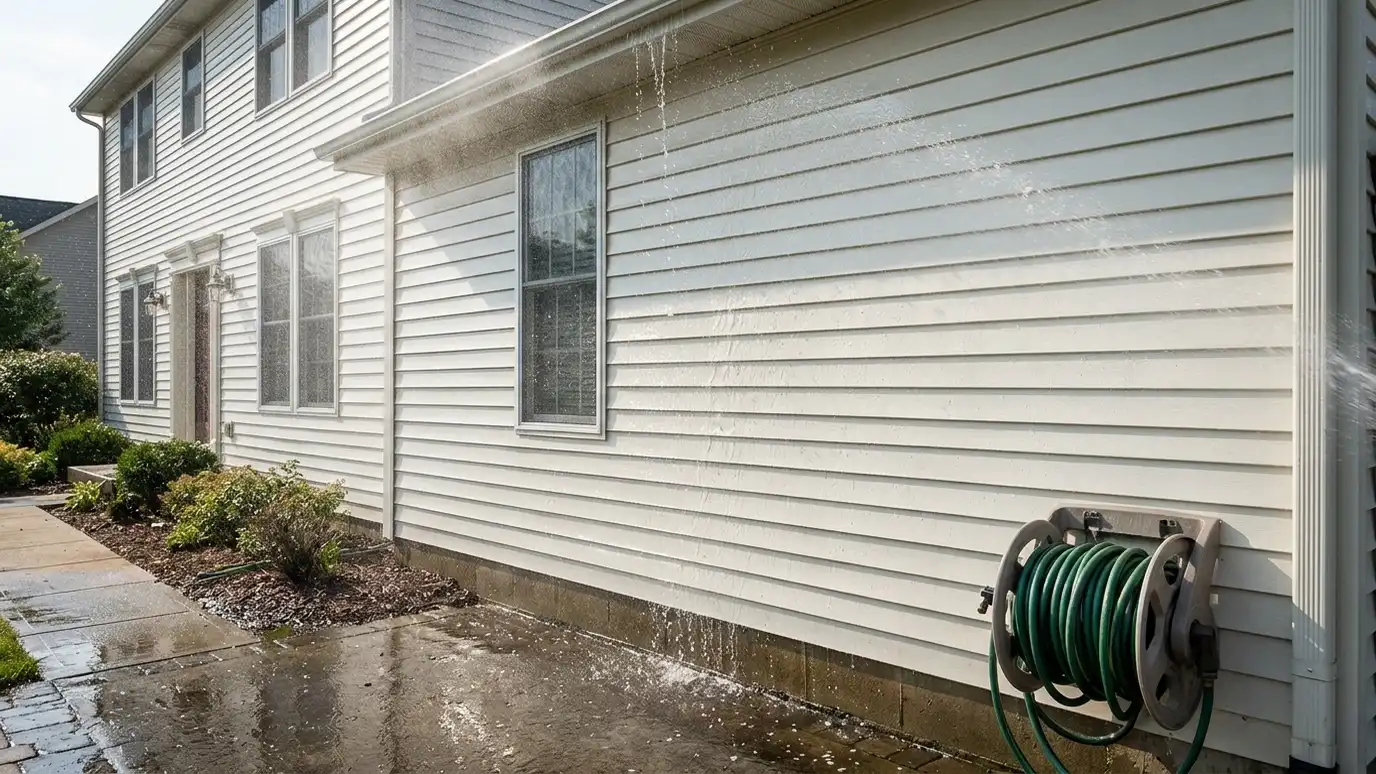
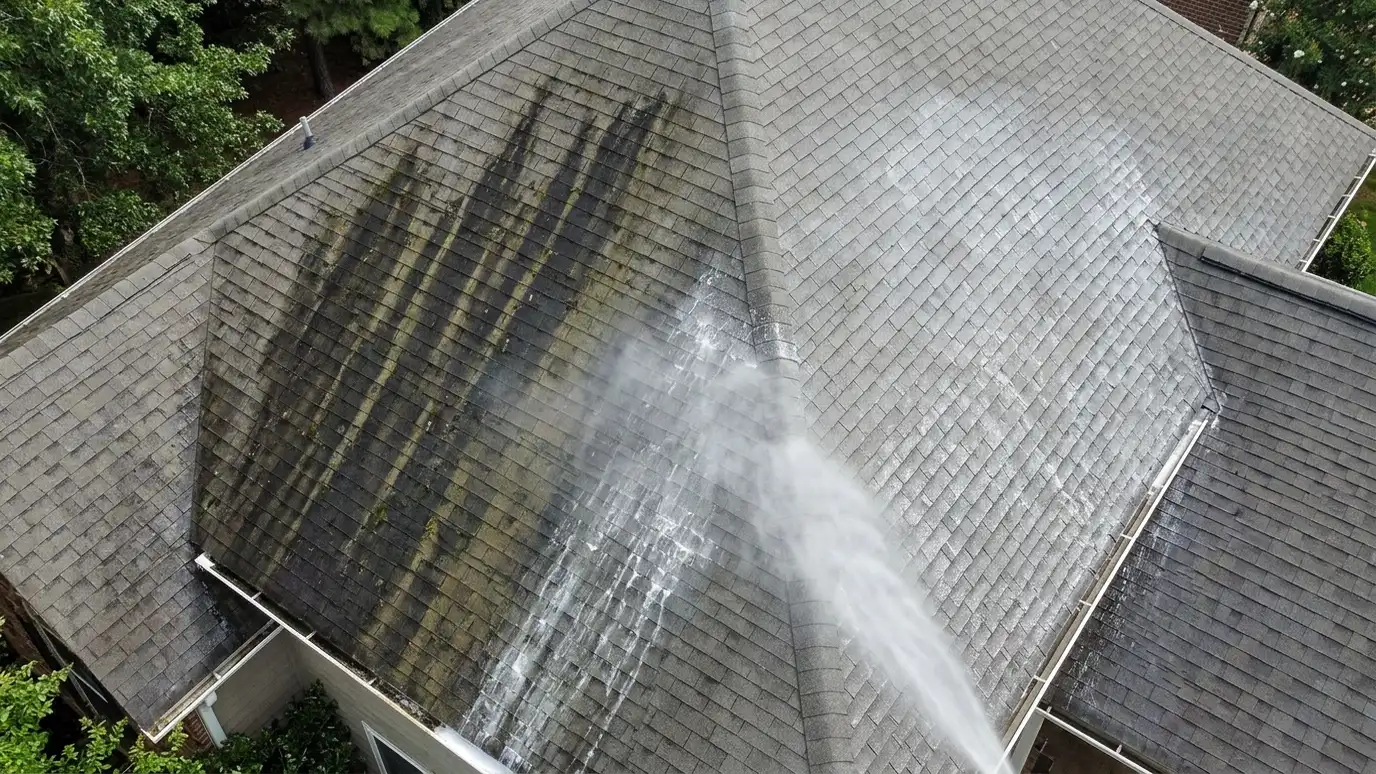
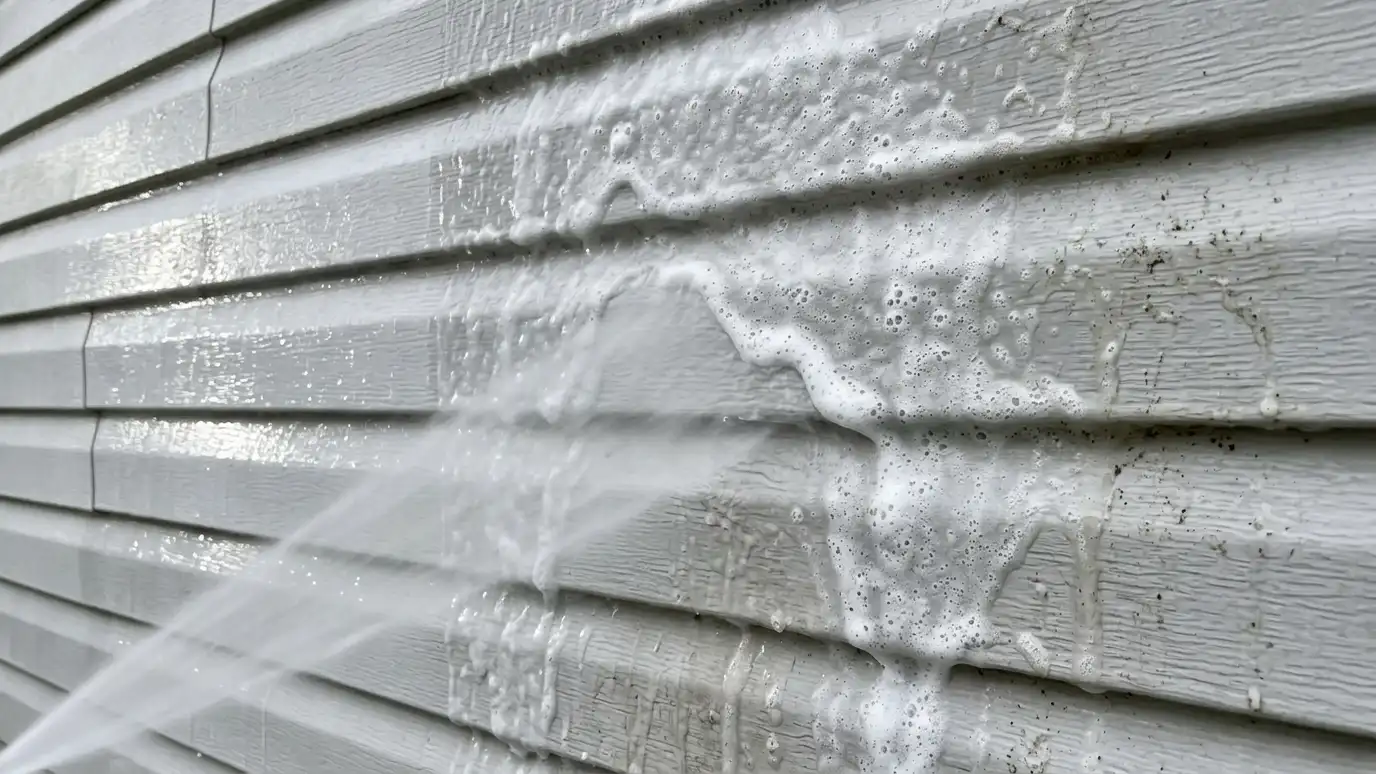
Soft washing uses low pressure, similar to a garden hose, and a cleaning solution to loosen algae, mildew and grime. The solution does the cleaning and the water rinses it away.
It is gentler than pressure washing and often lasts longer, because it treats growth rather than just blasting the surface.
It is the standard method for many exterior surfaces.
Ask a company to show you the solution and tell you about its strength. A confident company will explain it in plain words and describe how it is rinsed. If they are vague, ask again.
Which surfaces need it
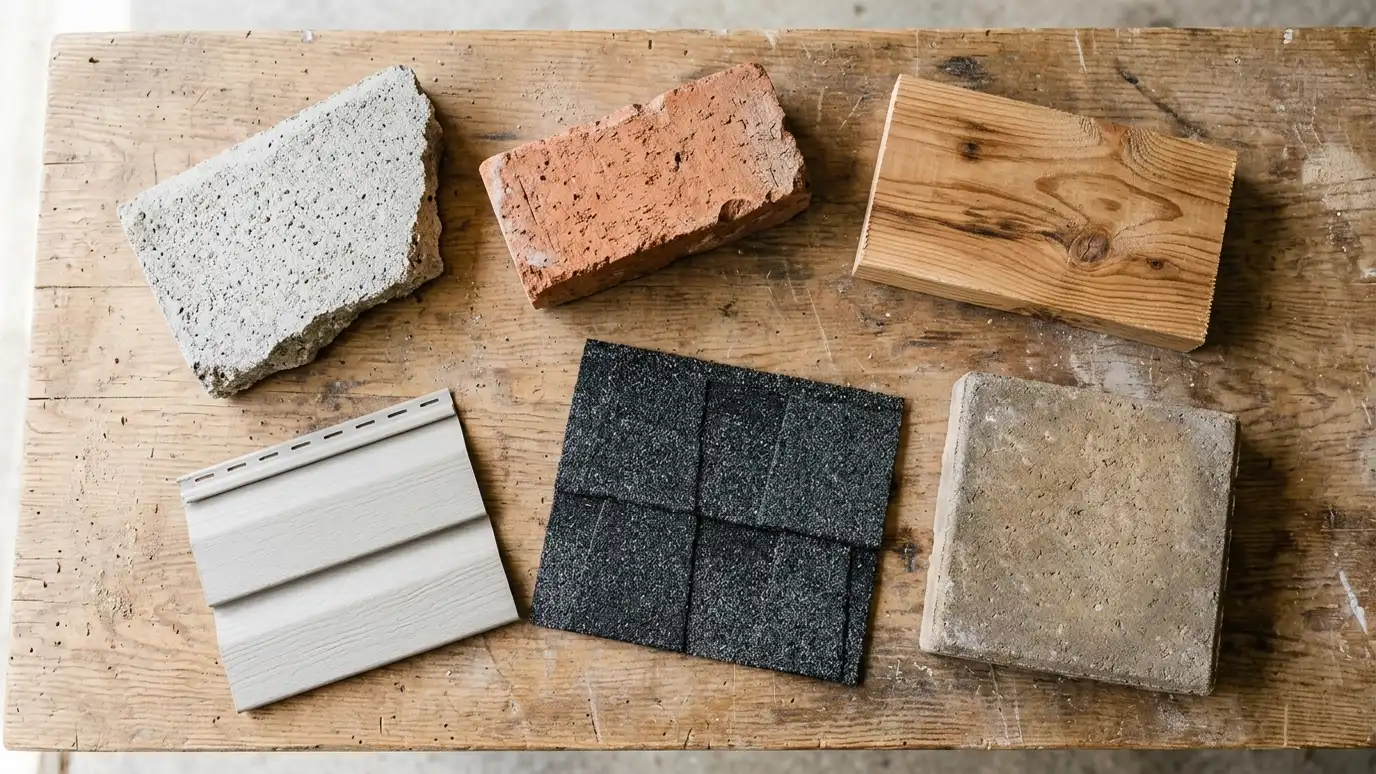
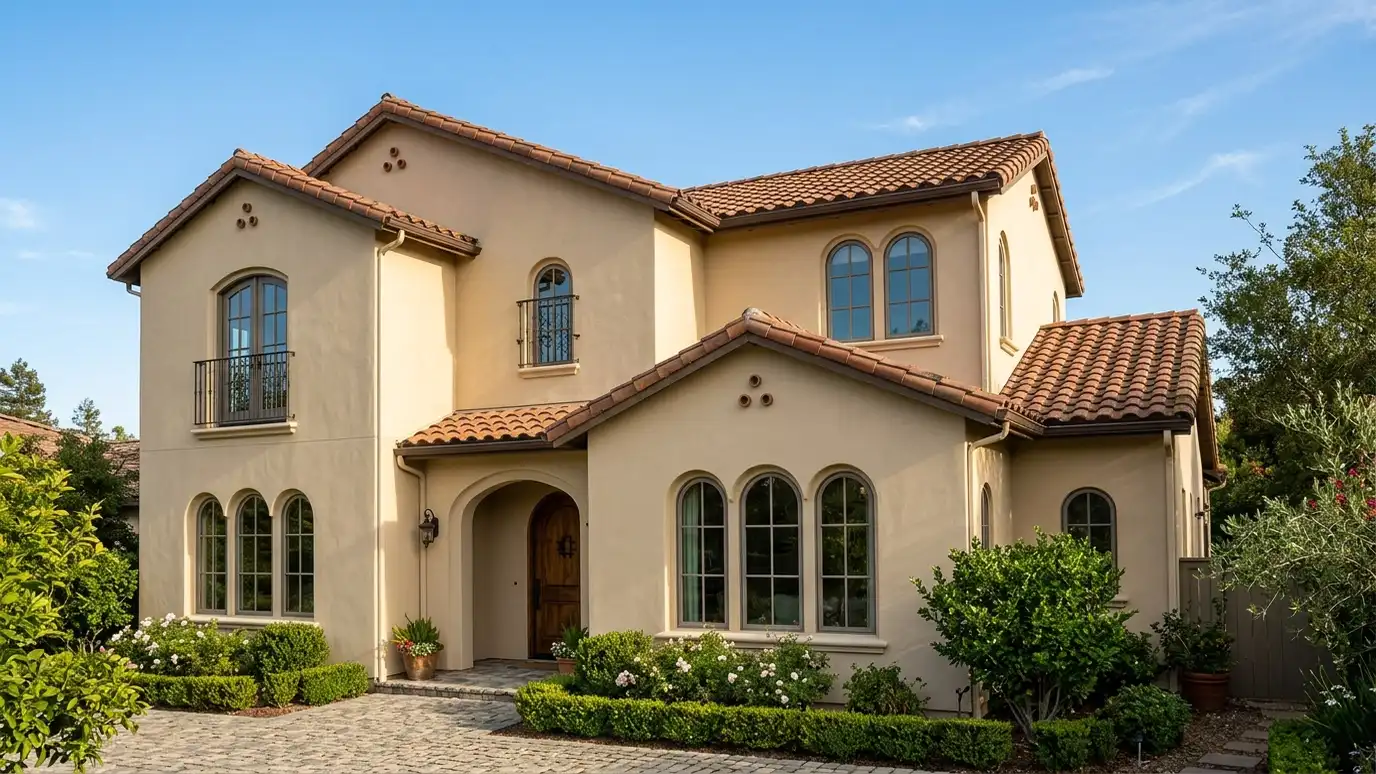
Roofs, stucco, painted siding, wood, screens, vinyl and many other delicate materials are soft washed.
High pressure can strip granules, gouge wood, chip paint and push water behind siding.
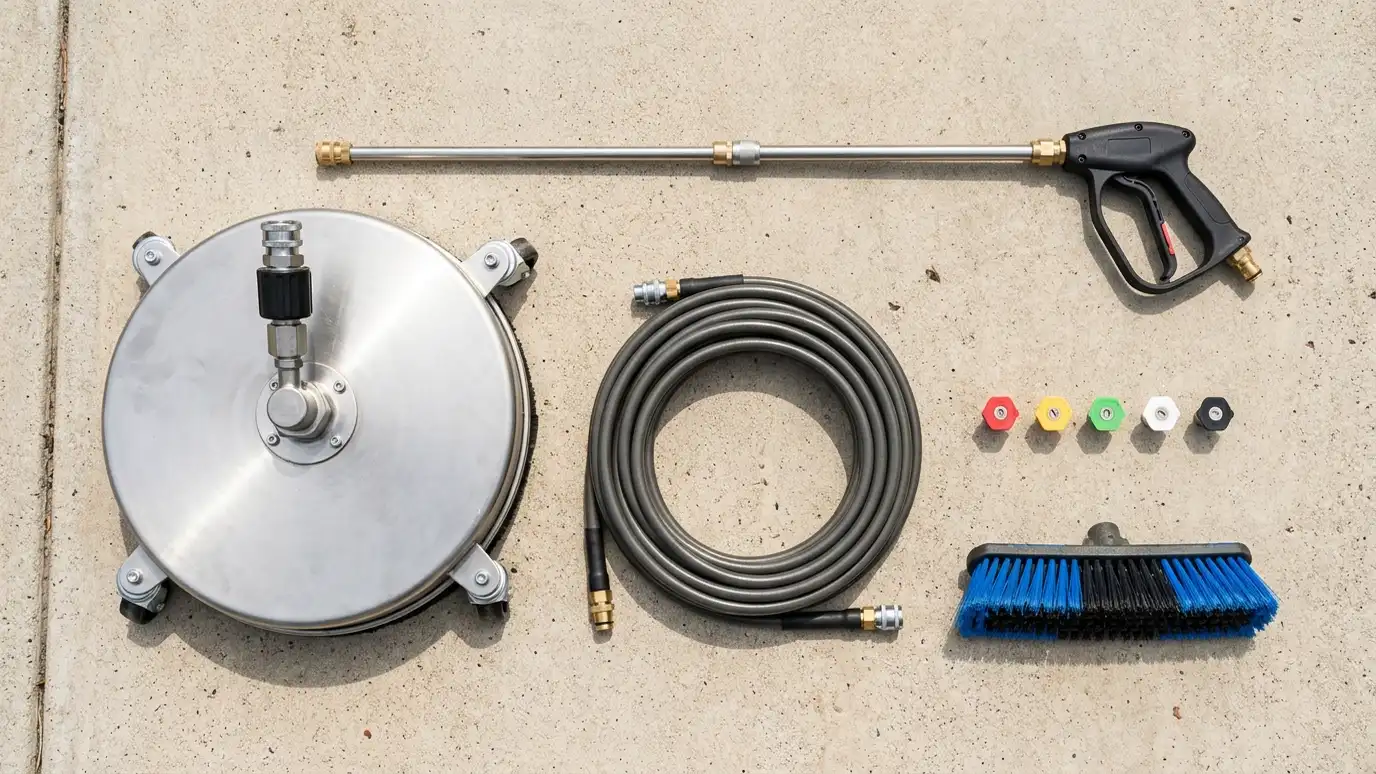
Hard surfaces such as concrete are usually pressure washed.
Delicate surfaces do not always look delicate. Painted wood trim, old stucco and screens are fragile even when they seem sturdy. If you are in doubt, choose soft washing and a careful crew.
How the solution works
Oxidizing cleaners break down algae and mildew. Detergents lift dirt and help the solution cling to surfaces.
Dwell time allows the solution to work before rinsing.
Pre-wetting and rinsing protect plants and surfaces.
Dwell time is part of the craft. Letting the solution work for the right number of minutes, without drying on the surface, is what separates a great soft wash from a mediocre one. We watch the weather and surface temperature closely.
Safety for plants and pets
Plants are pre-wet, shielded and rinsed. Pets and children stay clear until surfaces are rinsed and dry.
Solutions are mixed to suitable strength for each surface.
Ask your company what they use and how they protect the yard.
If you have a garden, tell us what you grow. Some plants are sensitive to certain cleaners, and we adjust our pre-wetting and rinsing to protect them. A short list of your favorites is enough.
Questions to ask
What is your solution and strength? How do you protect plants? What pressure do you use on each surface? How long does the cleaning last?
Be cautious of companies that cannot explain their process.
A good answer is specific and calm.
Ask whether the company will come back if streaks or spots remain. Honest companies stand behind their work and return to fix missed areas. That attitude matters more than a catchy slogan.
Limits of soft washing
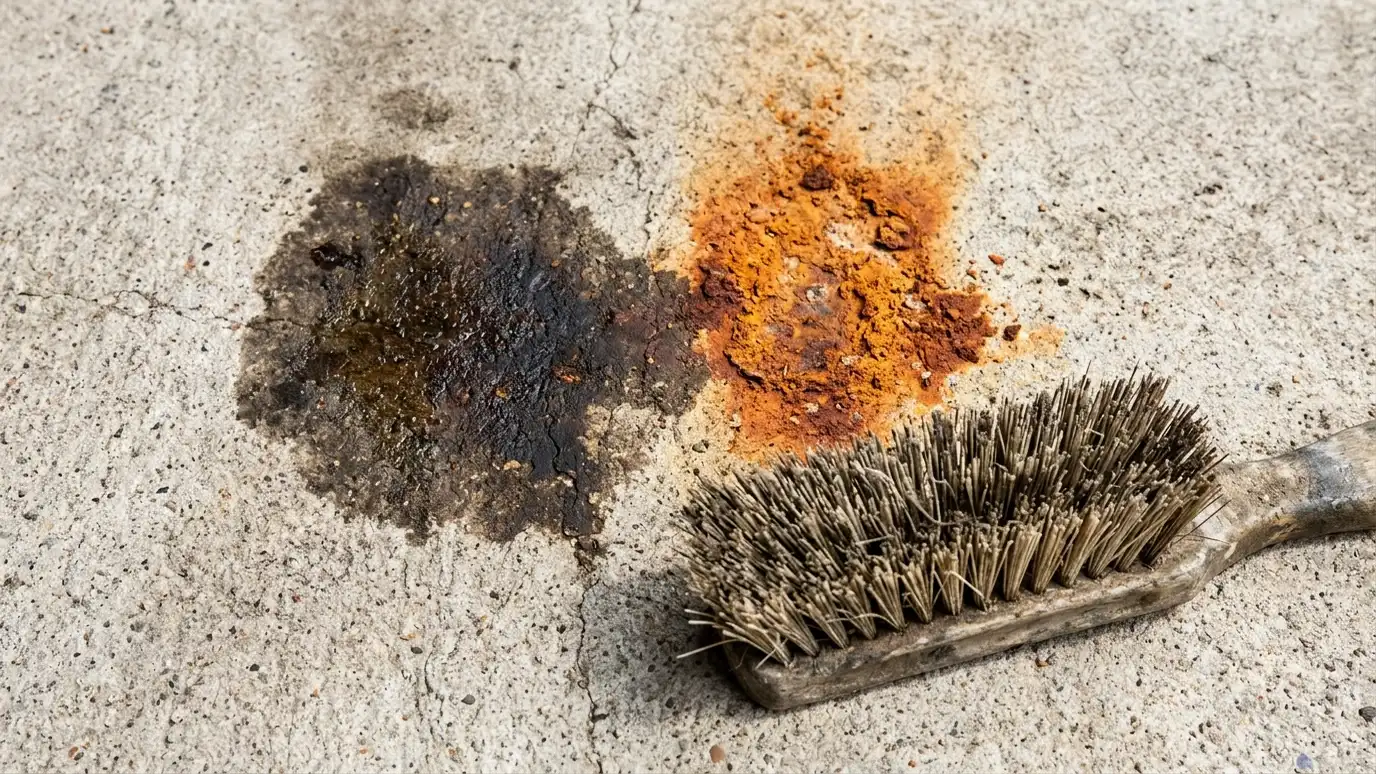
It does not remove rust, paint, deep stains or damage. Those need other steps.
It cannot make worn materials look new.
An honest company will say what it can and cannot do.
Soft washing is a cleaning method, not a repair. If you see cracks, rot or failed caulk, a carpenter or painter is the next call, and a clean surface makes their job easier.
Choose soft washing for roofs, siding and stucco, and make sure the company can explain its solution and its plant protection.