Why houses get dirty
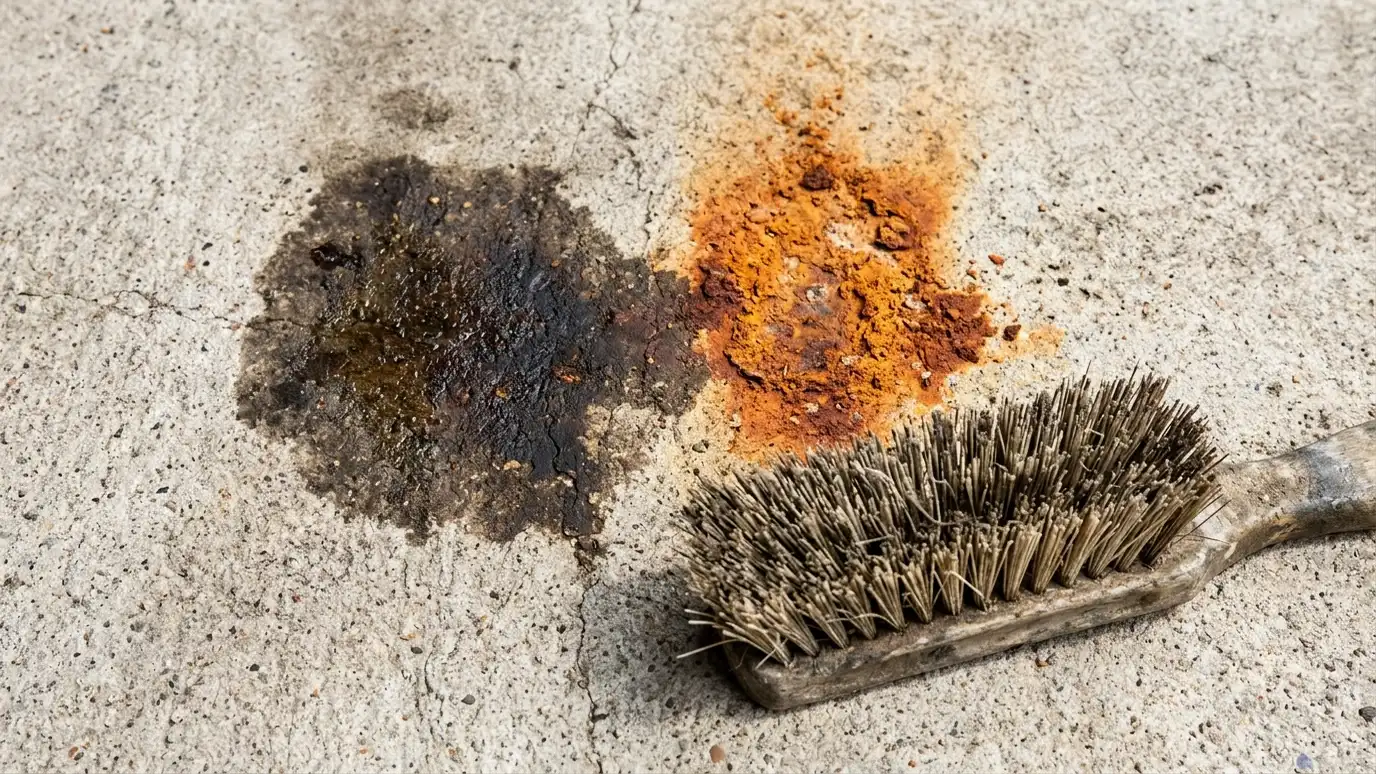
Pollen, dust, road film, algae, mildew and spider webs settle on every surface. Shaded walls and corners grow green and black films, and splashback from the ground adds soil.
Rain does not clean it, because dirt dries and bonds to siding.
Cleaning removes the film and slows regrowth.
Check your siding material before you hire anyone. Knowing whether you have vinyl, fiber cement, wood or stucco helps you ask the right questions and helps us plan the right method. If you are unsure, send us a photo and we will help identify it.
Soft washing for most sidings
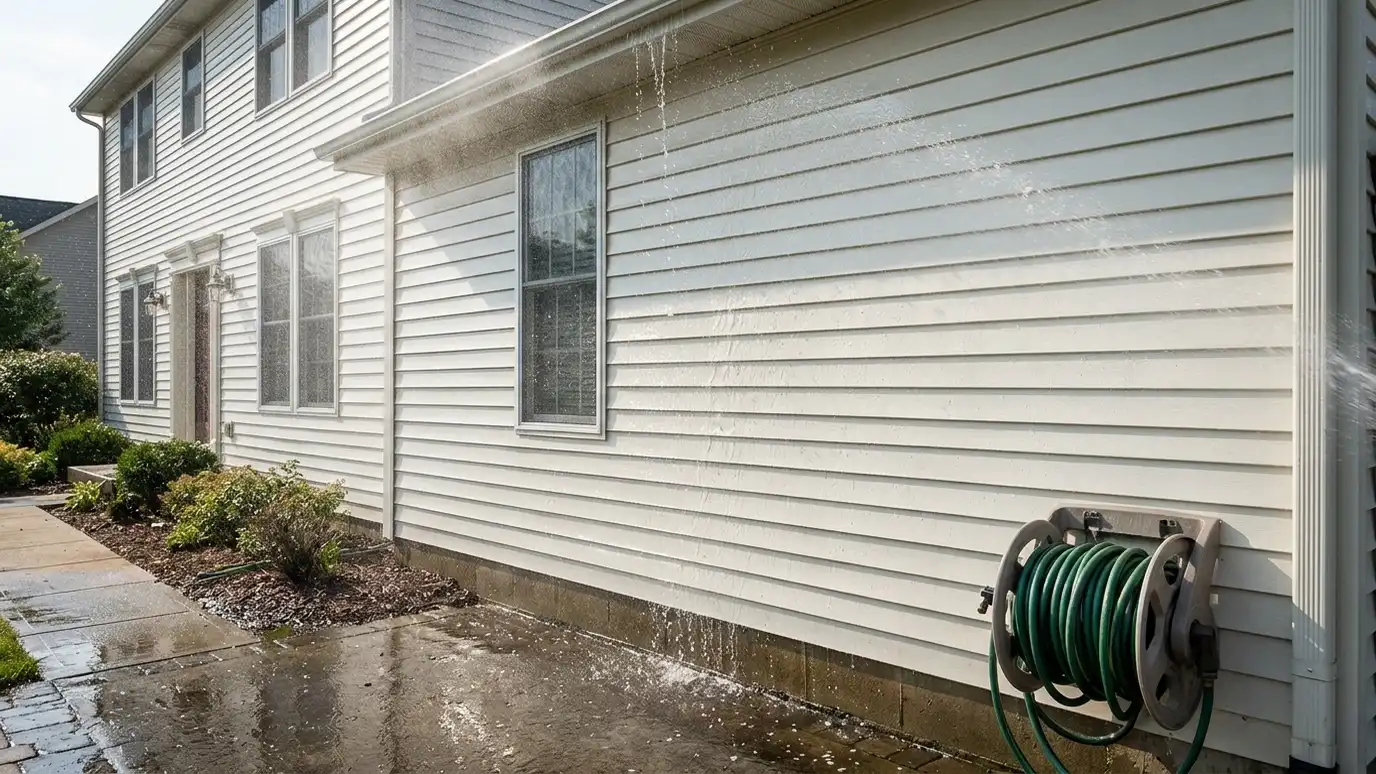
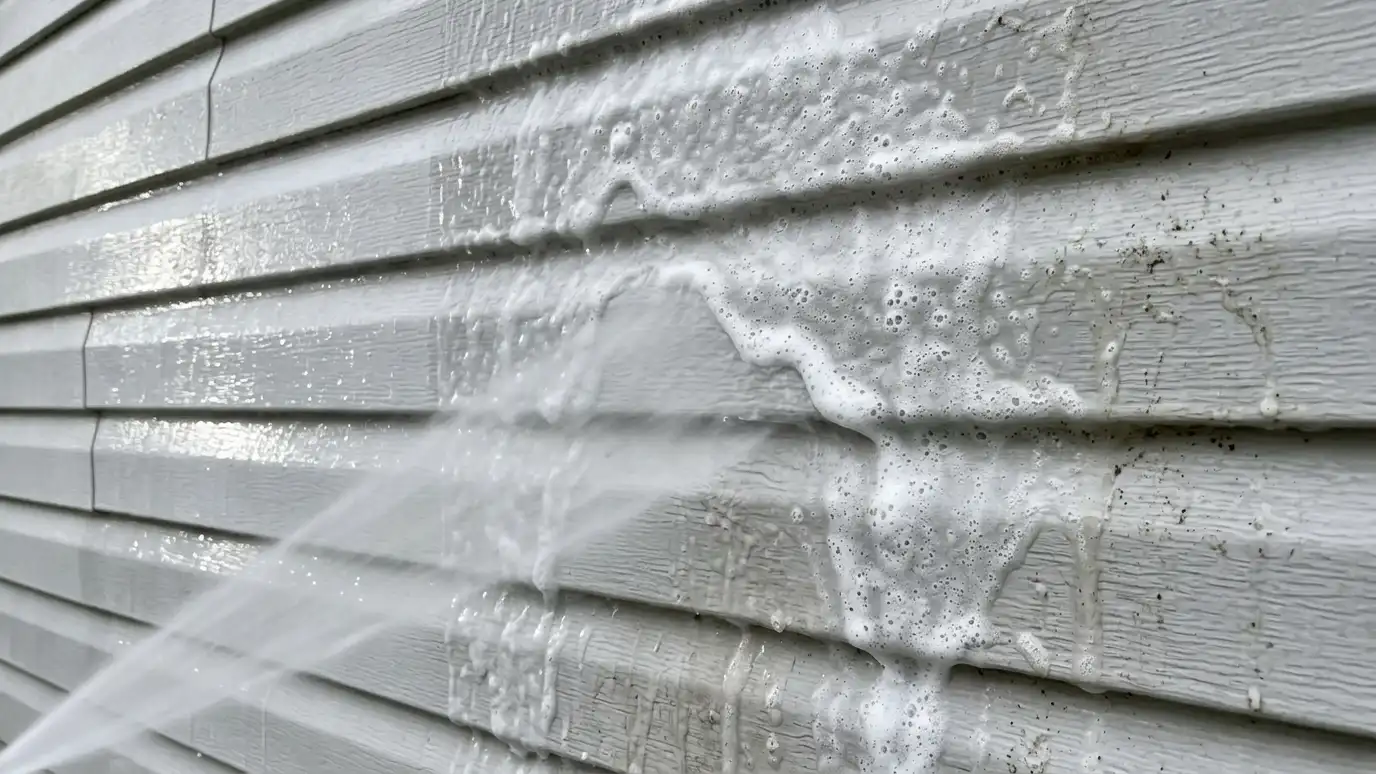
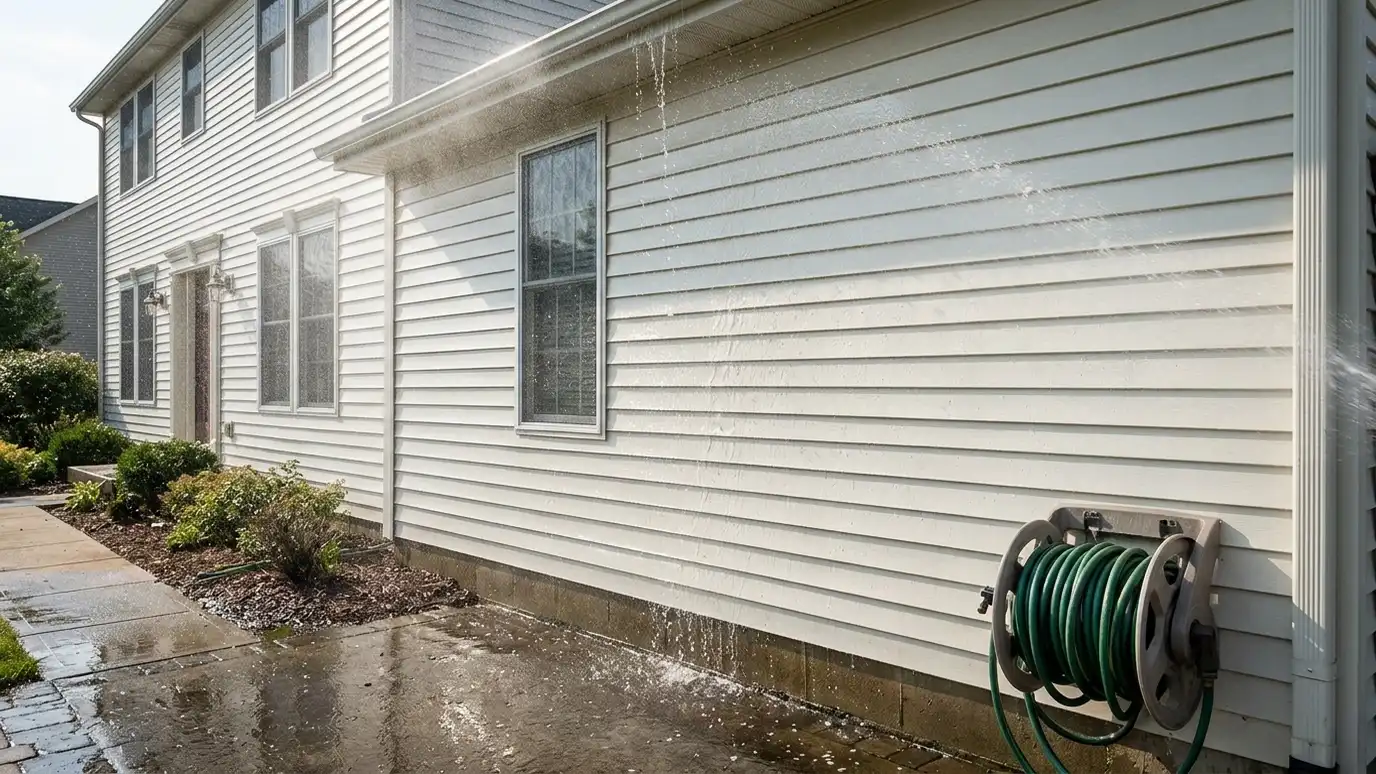
Most houses are cleaned with soft washing: low pressure and a cleaning solution that loosens growth, followed by a thorough rinse.
The solution does the work, and gentle pressure carries it away.
This protects paint, seams and caulk.
Ask about the cleaning solution strength and what the crew does to prevent streaks. Good crews work in sections, keep surfaces wet and rinse in the right order. Their answers show how much thought goes into the job.
Vinyl, fiber cement and wood
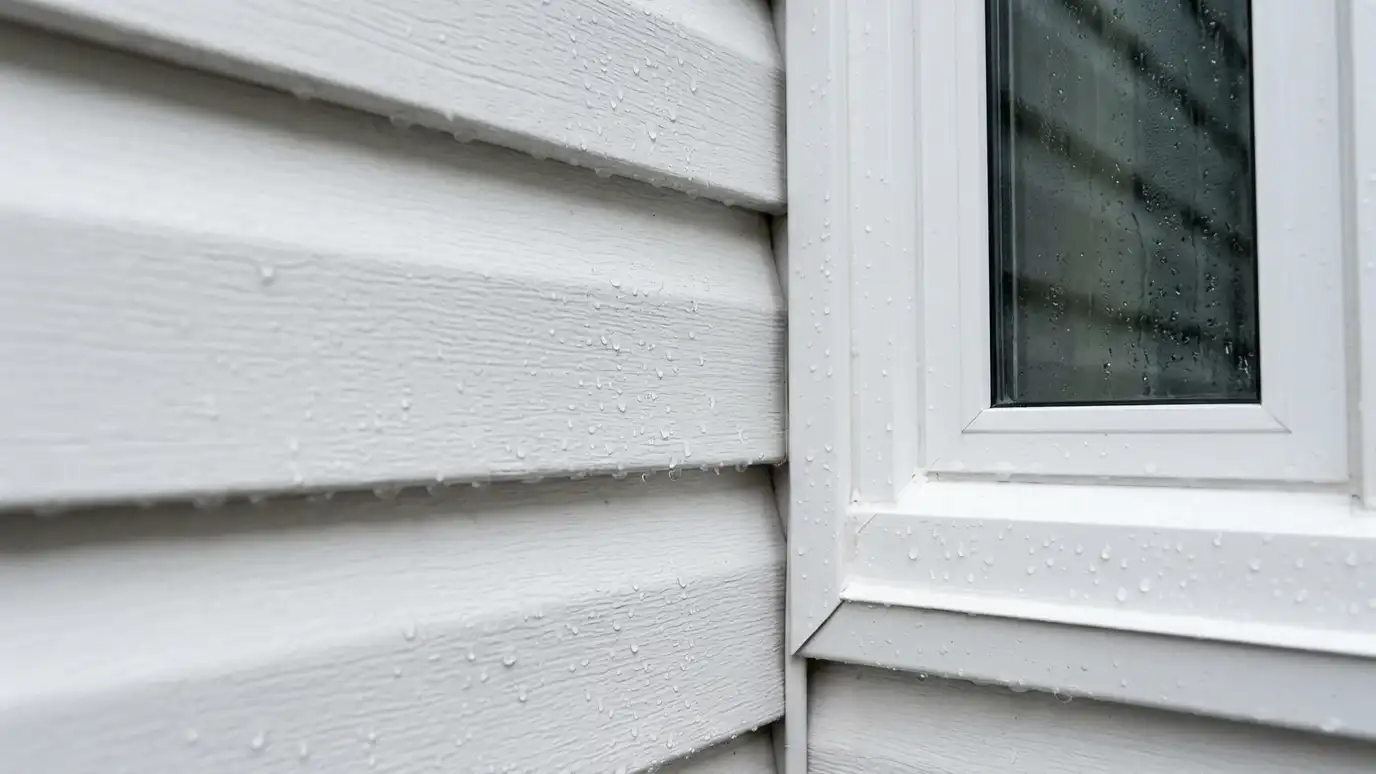
Vinyl cleans well with downward spray and no force under laps. Fiber cement and engineered wood need gentle methods to protect paint and seams.
Natural wood needs soft methods and sometimes brightening.
Each has different failure points that a careful crew respects.
If your home has older paint, tell us. Peeling paint can be lifted by washing, and homes built before 1978 can have lead paint, so we use careful practices and tell you what we see.
Brick, stone and stucco
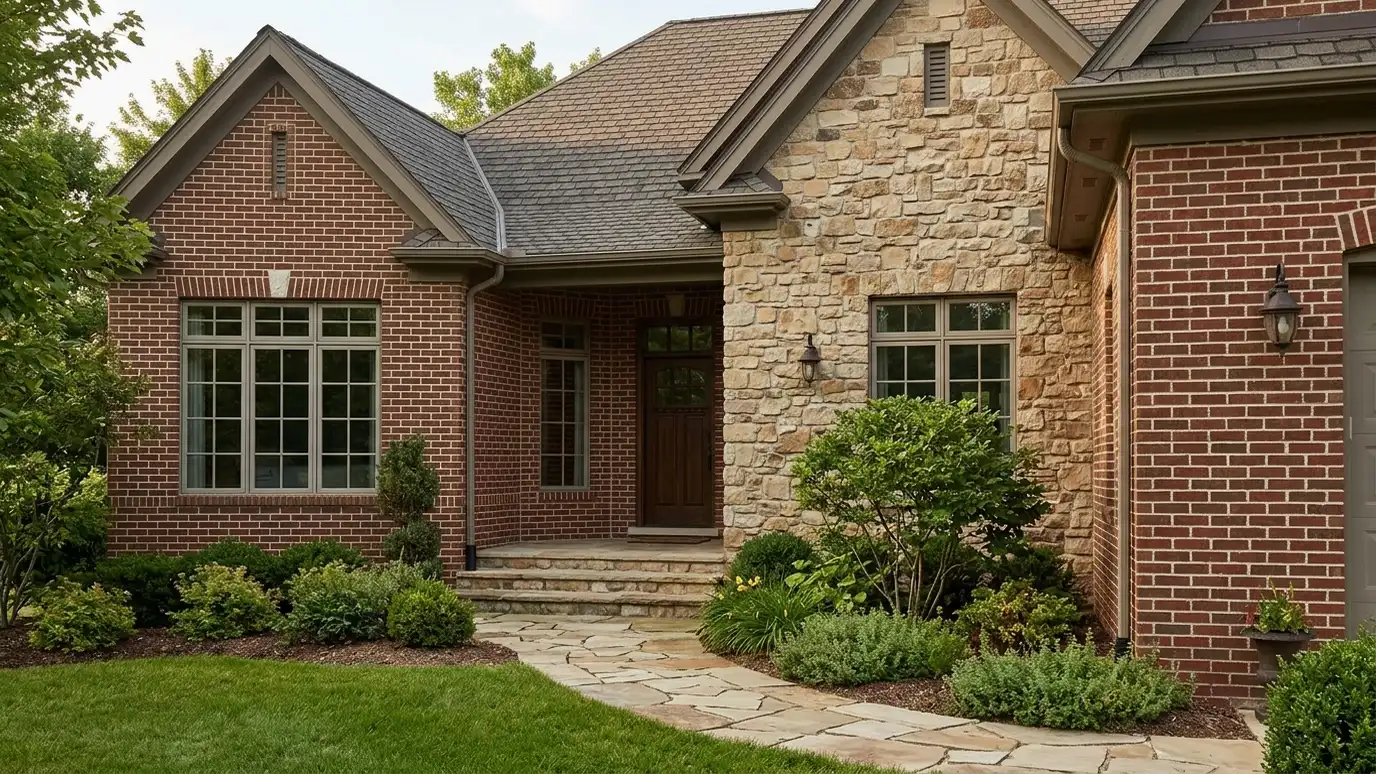
Brick and stone tolerate more pressure, but mortar is easy to damage. Stucco and EIFS need soft washing only.
Test a hidden area first, especially on older homes.
Painted masonry is treated like painted siding.
On brick and stone homes, ask whether the crew will test a small area first. A careful approach protects the mortar and shows respect for materials that are hard to repair once damaged.
Plants, windows and fixtures
Plants are pre-wet, shielded and rinsed. Windows, outlets, vents and light fixtures are protected or avoided.
A good crew points out cracked caulk and failed seals.
Ask how they handle each of these before you hire.
Look at the landscaping near your house and decide what matters most. Mention prized plants, new sod and garden beds, and we will plan accordingly. A short conversation avoids stress on wash day.
Aftercare
Rinse residue is gone when the wash is done, though surfaces may take a short time to dry fully.
Trim branches and clean gutters to slow regrowth.
Plan a repeat wash on a schedule that fits your yard.
Mark the next wash on your calendar before the crew leaves. Many owners choose a repeat in one or two years, and shady walls may deserve a mid-cycle touch-up.
Ask for a soft wash on siding, a plan for plants and windows and a note about anything the crew finds.